Zeng Teng Fu (曾腾甫)
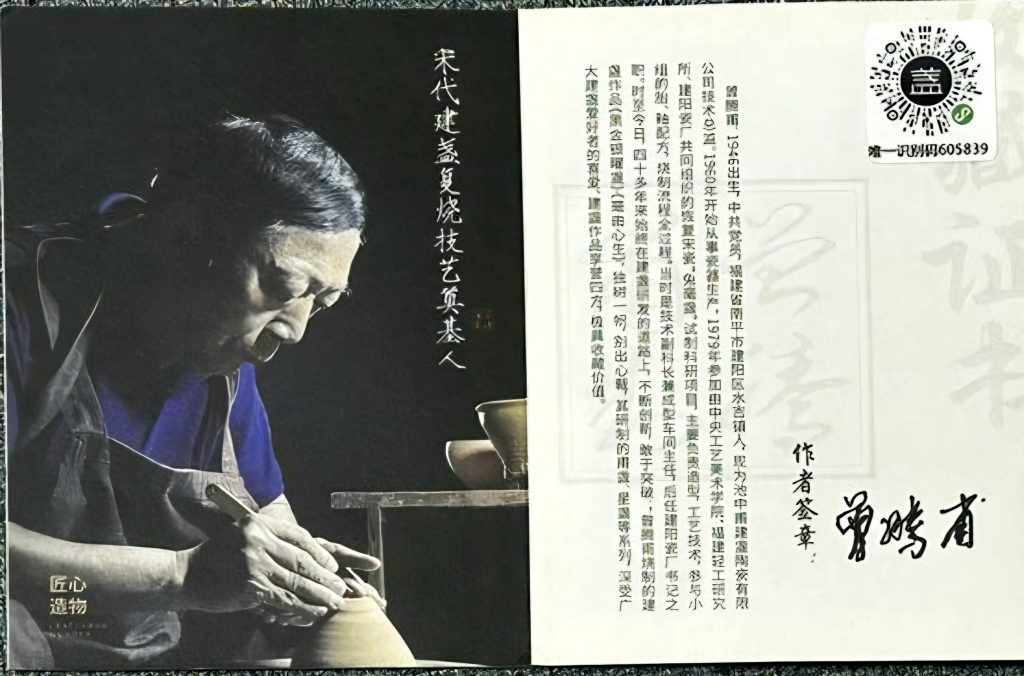
Zeng Teng Fu (曾腾甫) was an important figure connected to the modern revival and technical research of Jian ware (建盏) in Jianyang, Fujian Province. He is associated with the brand and studio name Chi Zhong Pu (池中甫), which appears on brochures and promotional materials connected to his work.
The surviving archival documents, photographs, and glaze reference materials connected to Zeng Teng Fu provide a fascinating glimpse into the early modern revival period of Jian ware during the late 20th century. This was a critical era when ceramic artists, technicians, and researchers in Jianyang were actively working to rediscover and reconstruct traditional Song Dynasty Jian kiln firing techniques.
Chi Zhong Pu (池中甫)
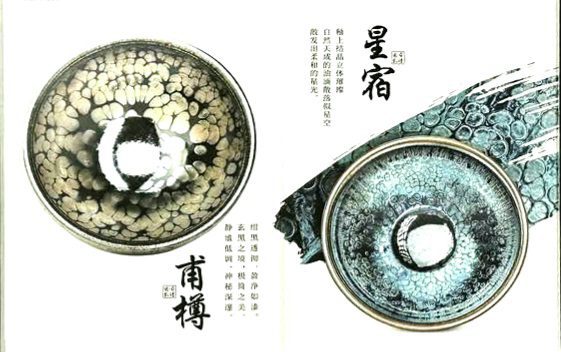
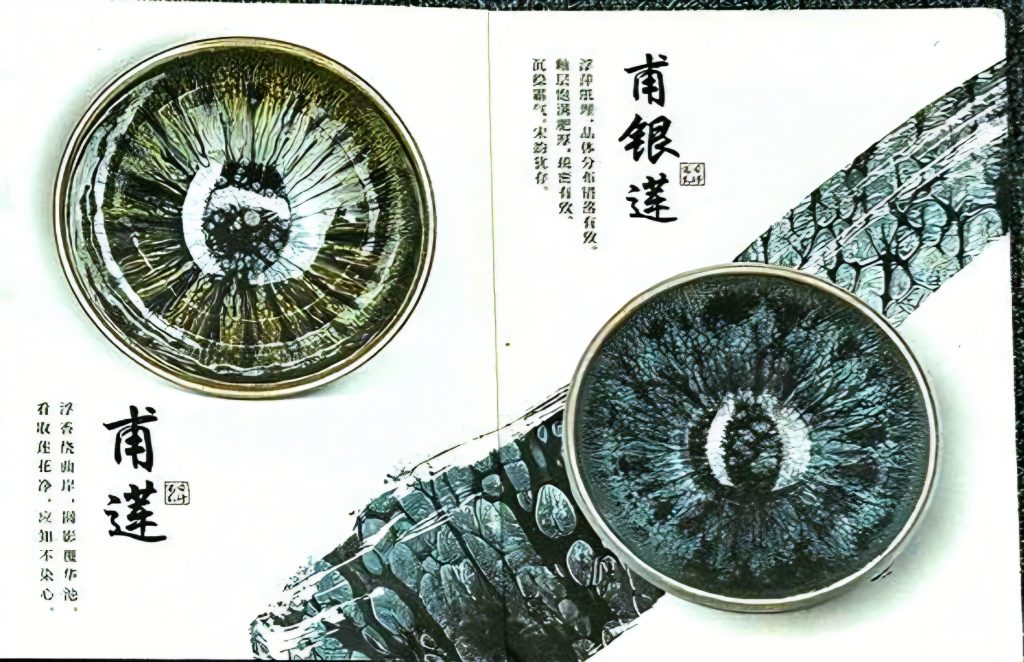
Chi Zhong Pu (池中甫) appears to have been used as a studio, artistic, or brand identity associated with Zeng Teng Fu’s ceramic work and research materials. The name is prominently displayed on brochures featuring classic Jian ware glaze examples and historical promotional materials.
The branding emphasizes traditional Jian ware aesthetics while also reflecting the revival-era movement focused on preserving and rebuilding lost ceramic techniques.
Jian Ware Revival Era
Following centuries of decline after the Song Dynasty, many original Jian kiln methods had been partially lost. Beginning in the 1970s and 1980s, ceramic researchers and local craftsmen in Jianyang began systematic experimentation to recreate historical glaze effects, firing atmospheres, and clay compositions.
Zeng Teng Fu appears to have been part of this important generation involved in ceramic experimentation and preservation efforts.
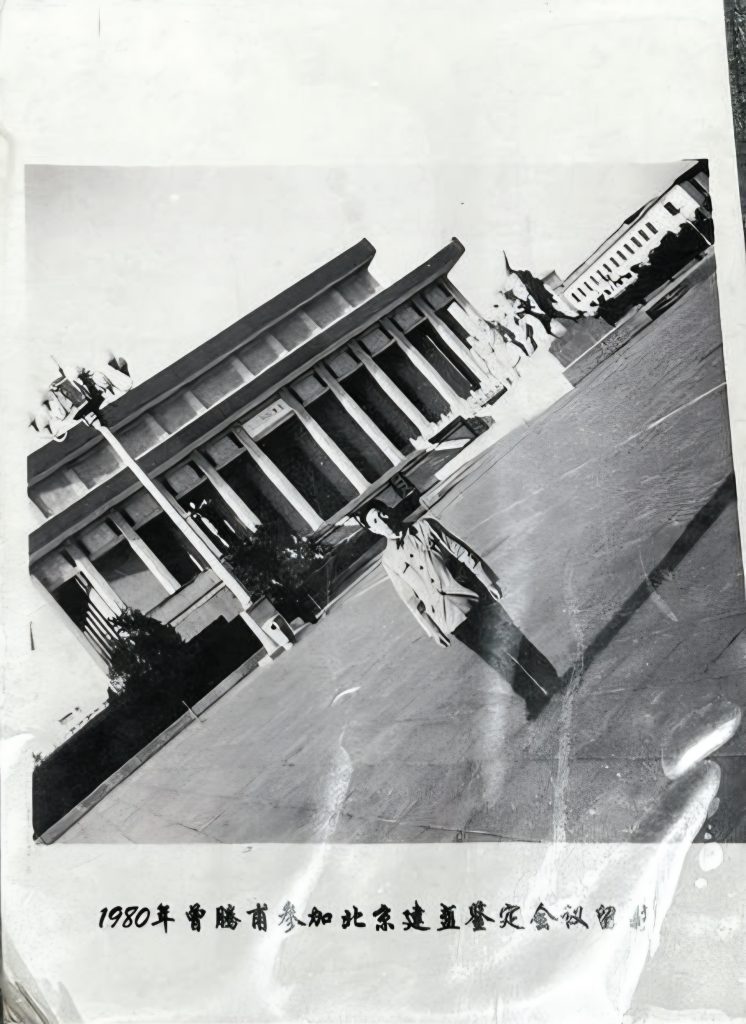
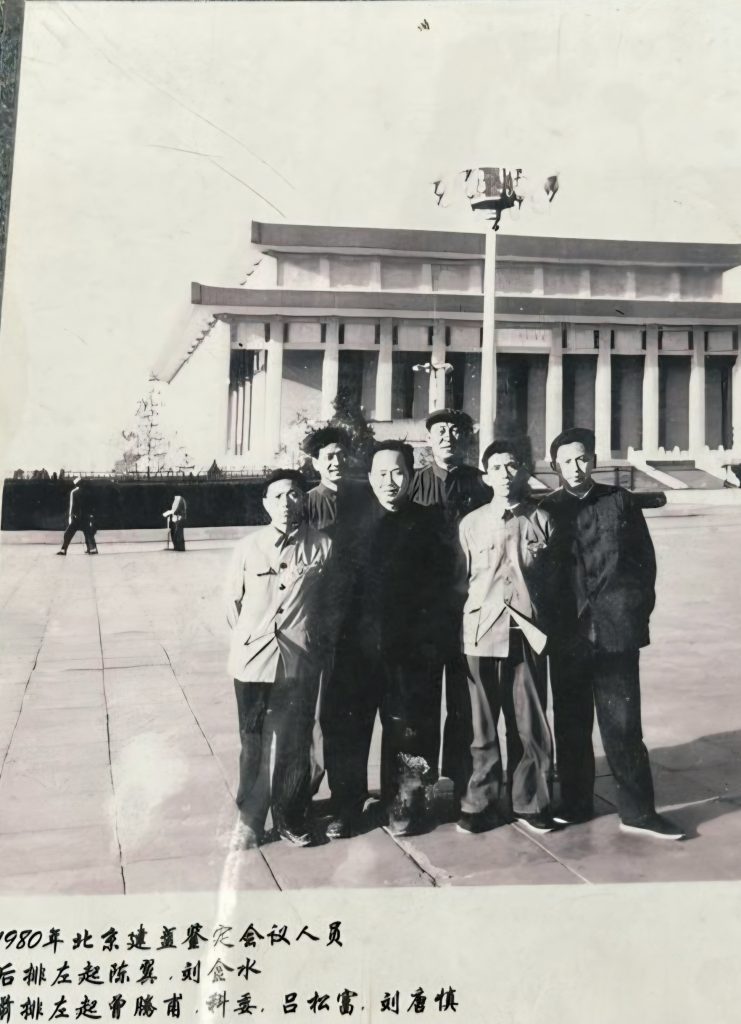
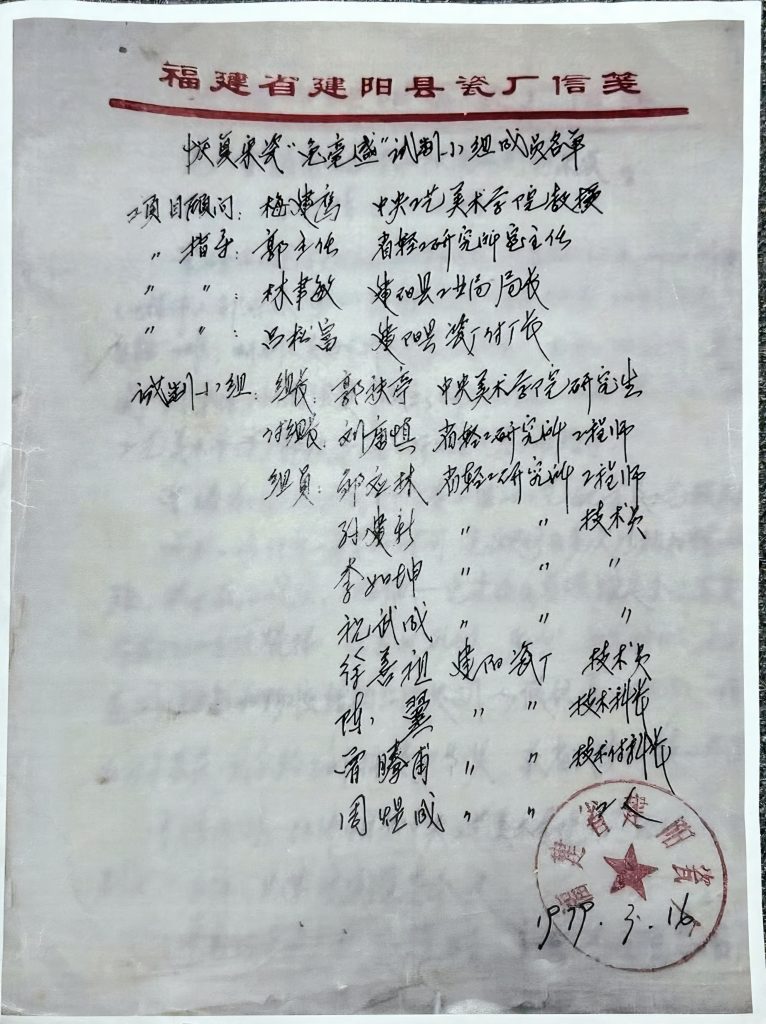
The included archival document from the Fujian Jianyang County Porcelain Factory references a research or experimental group related to ceramic glaze studies and technical development. Historical photographs dated around 1980 show participation in a Beijing ceramic appraisal or technical conference.
Glaze Styles
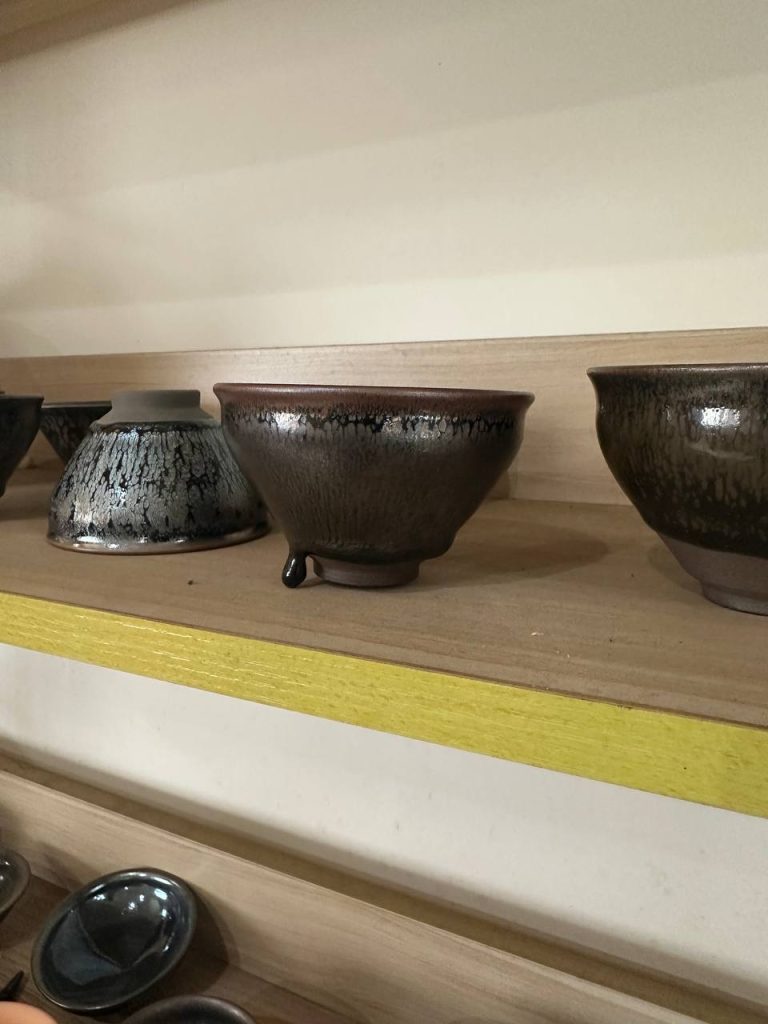
The brochures associated with Chi Zhong Pu showcase several classic Jian ware glaze styles, including:
- Oil Spot (油滴)
- Hare’s Fur (兔毫)
- Silver crystallization effects
- Blue iridescent surfaces
- Iron-rich metallic textures
- Radial crystal patterning
These effects are created through complex interactions between iron-rich glazes, kiln atmosphere, reduction firing, cooling speed, and mineral composition. During the revival era, reproducing these surfaces consistently required extensive experimentation and technical study.
Historical Materials
The surviving materials connected to Zeng Teng Fu and Chi Zhong Pu include:
- Revival-era Jian ware brochures
- Historic glaze reference examples
- Research and experimental documentation
- Conference photographs from Beijing (1980)
- Materials related to Jianyang ceramic research groups
These archival materials are historically valuable because they help document the transition from experimental revival work into the modern resurgence of Jianzhan collecting and appreciation seen today.
Legacy
Zeng Teng Fu represents part of the important revival-era generation that helped preserve and rebuild knowledge surrounding traditional Jian ware firing techniques. Without the efforts of researchers, craftsmen, and experimental groups during this period, many modern Jian ware methods and glaze effects might have remained lost.
Today, materials associated with Chi Zhong Pu provide collectors and researchers with a rare window into the technical and artistic rebuilding of Jian ware culture during the late 20th century.