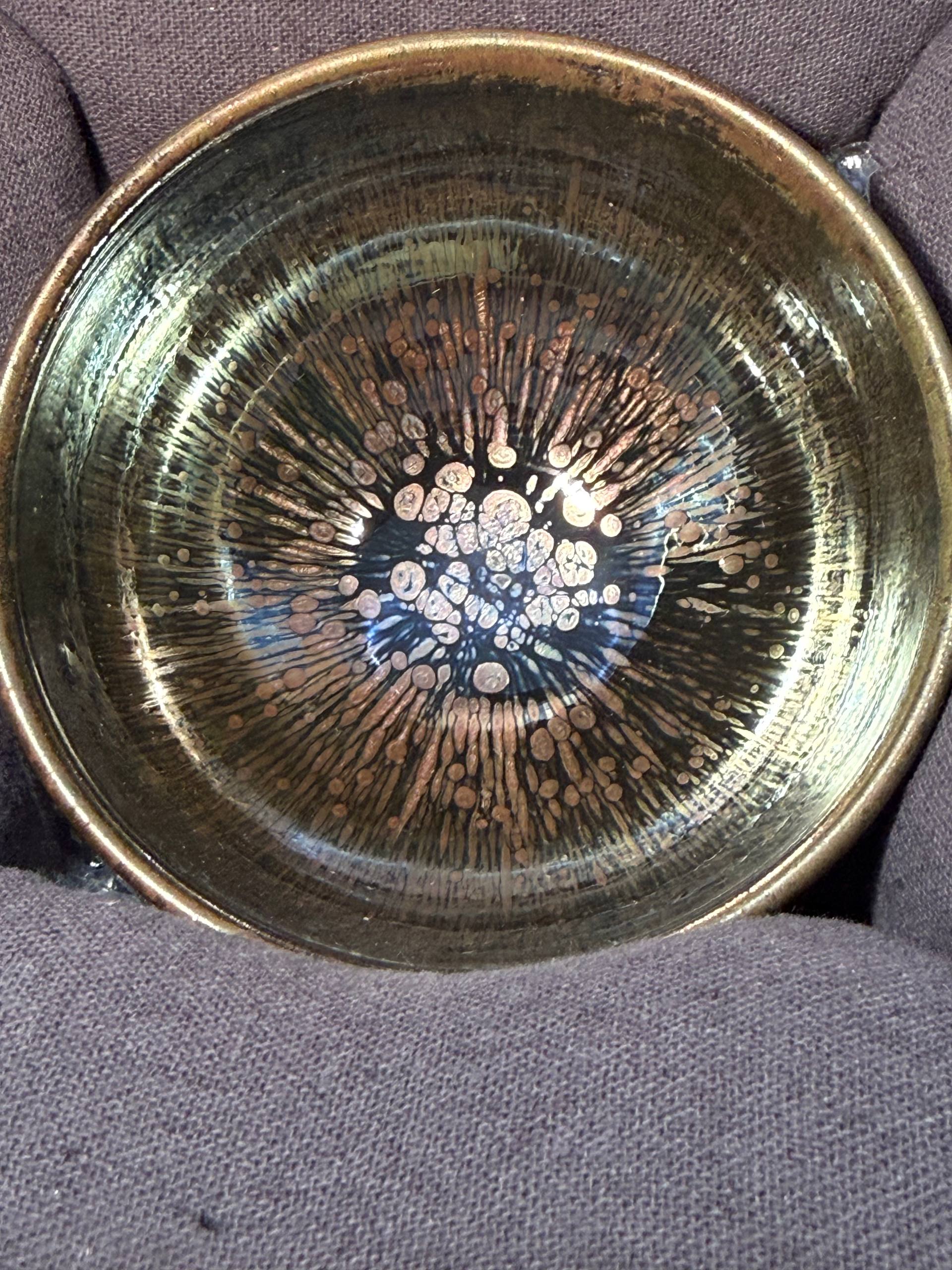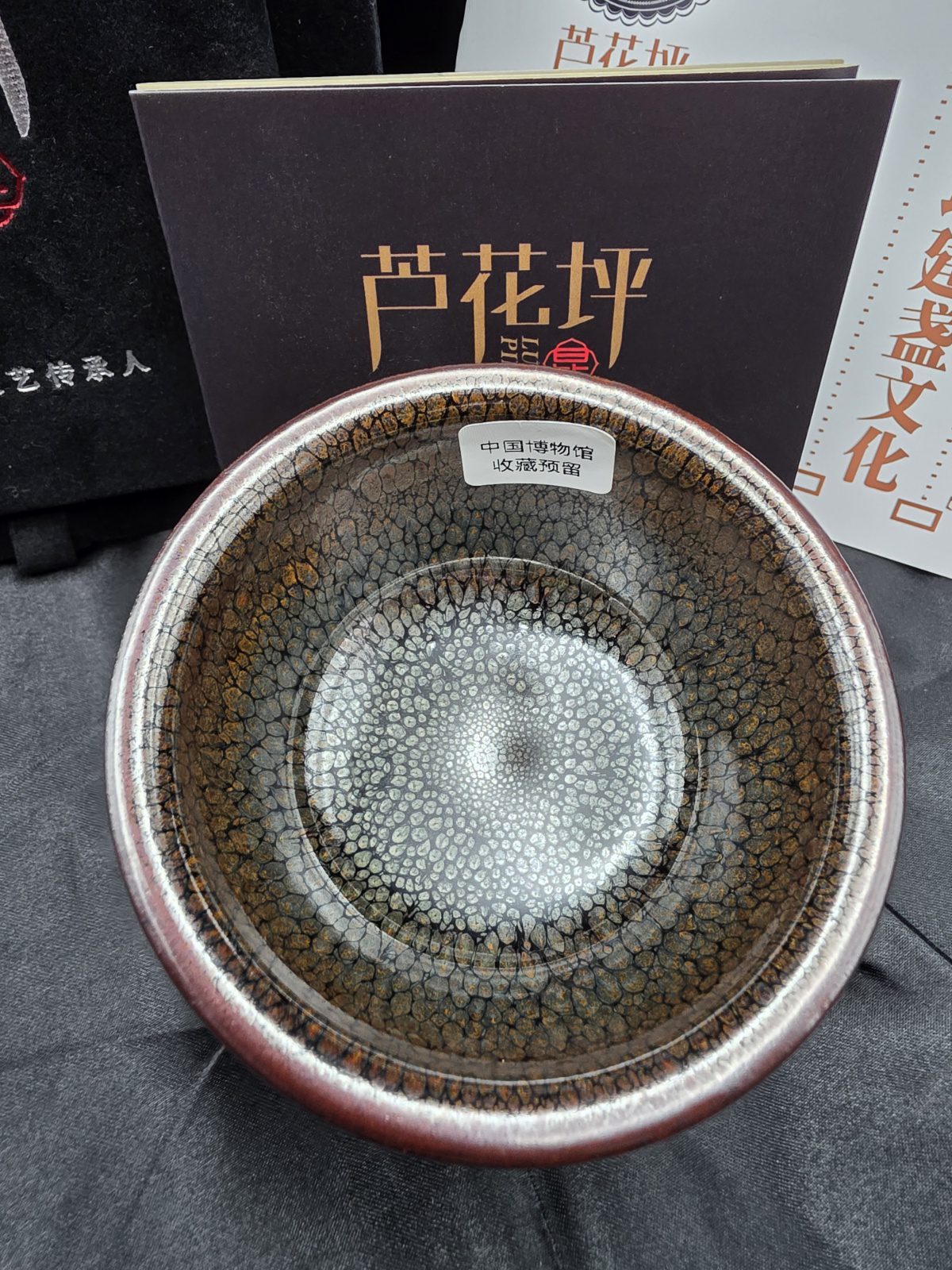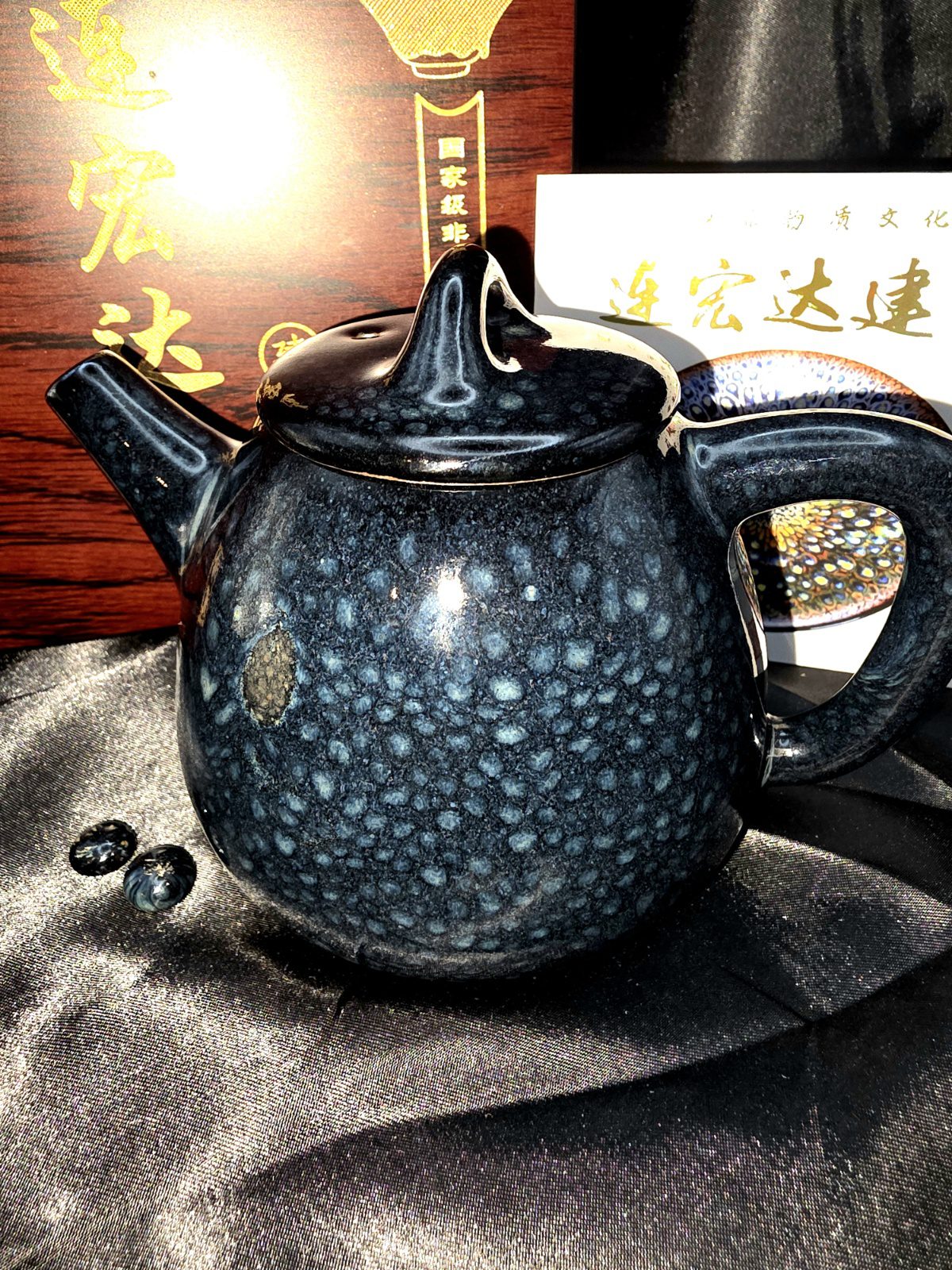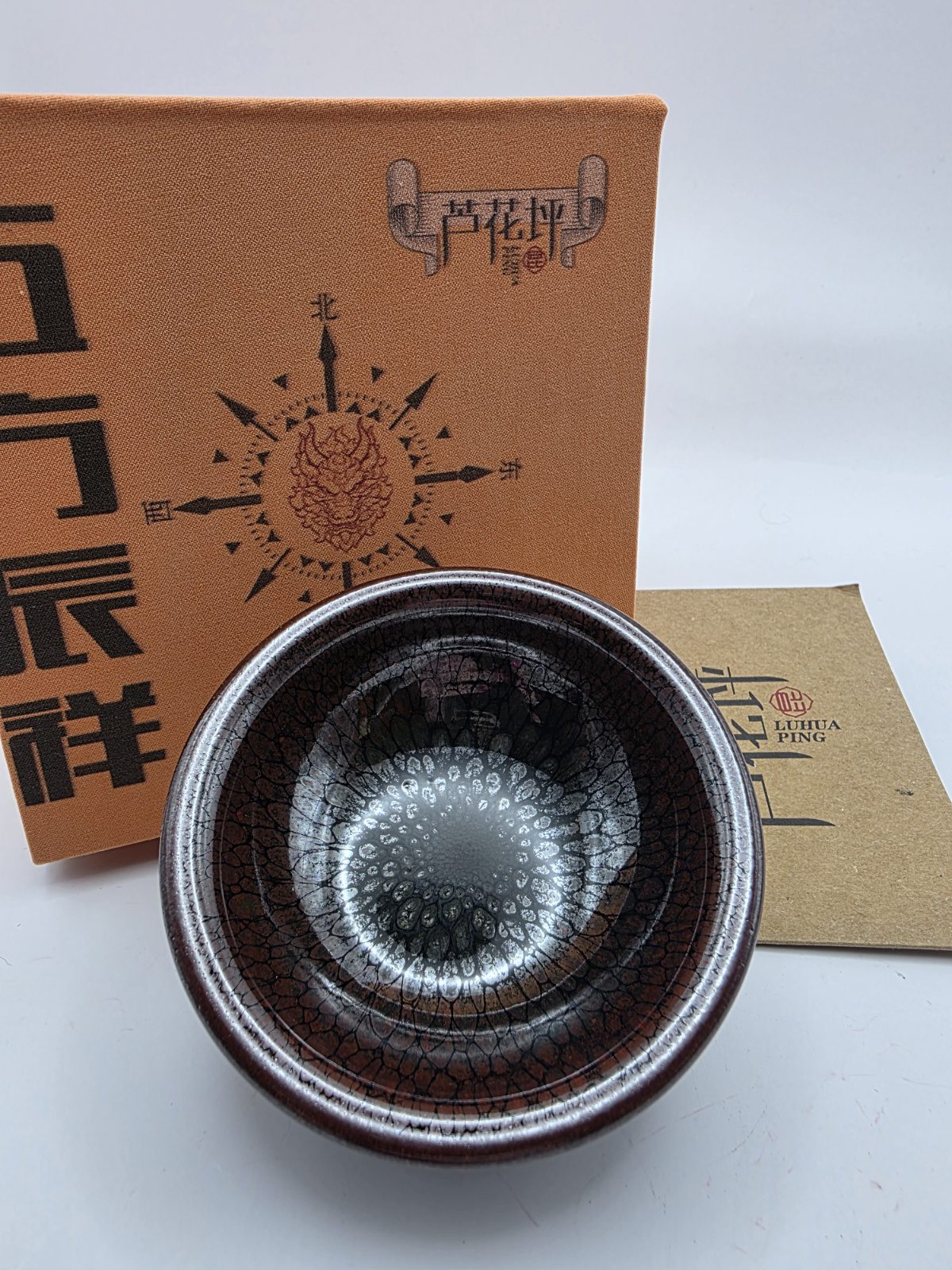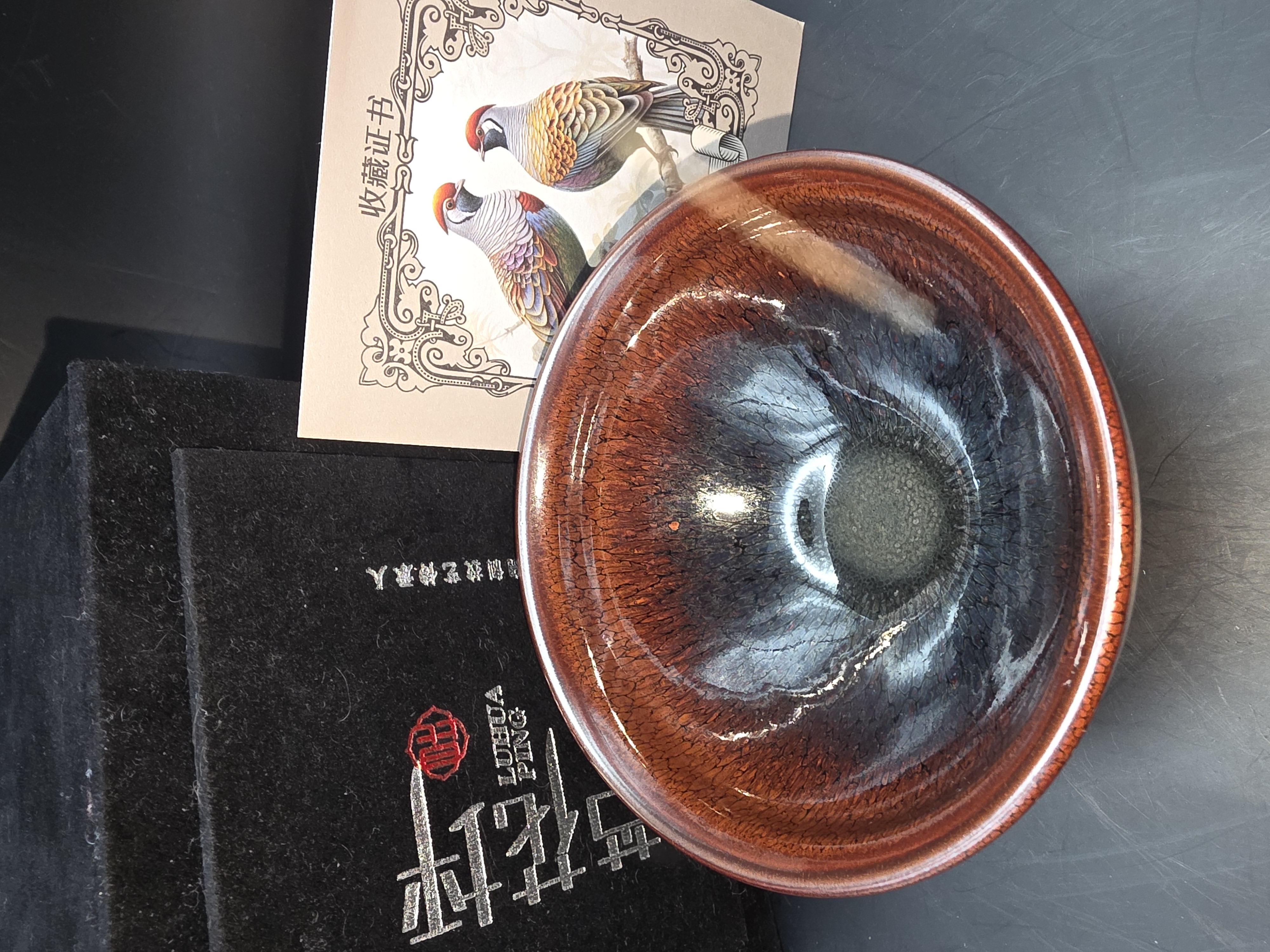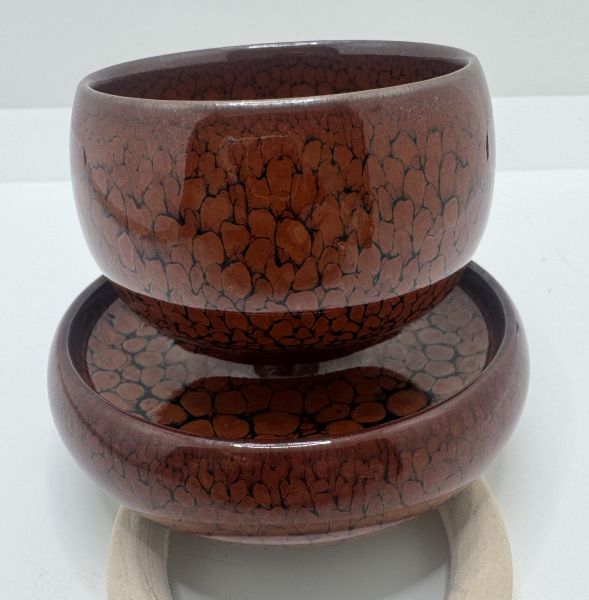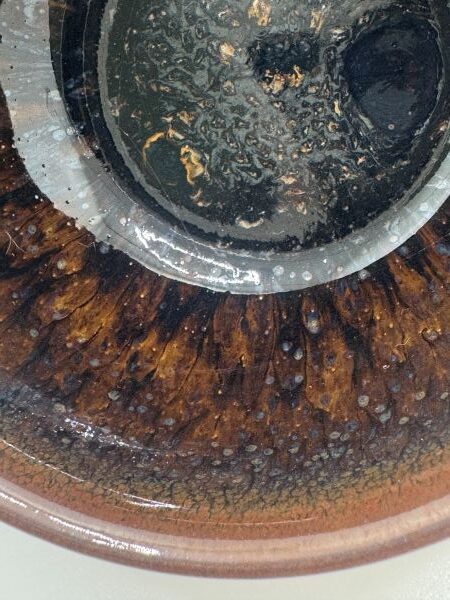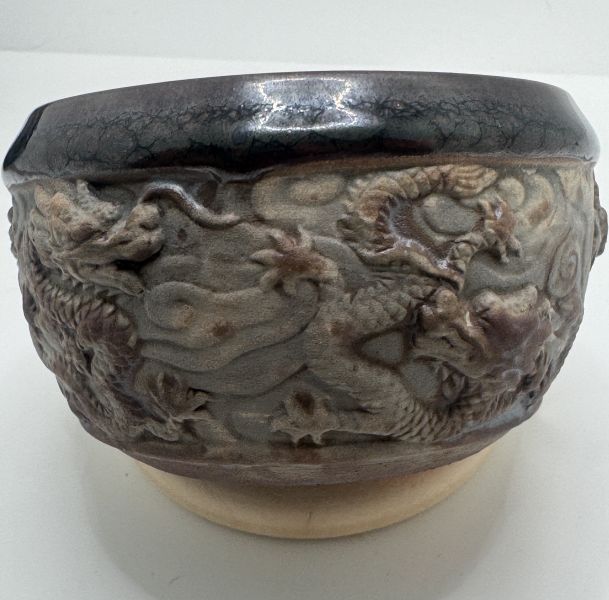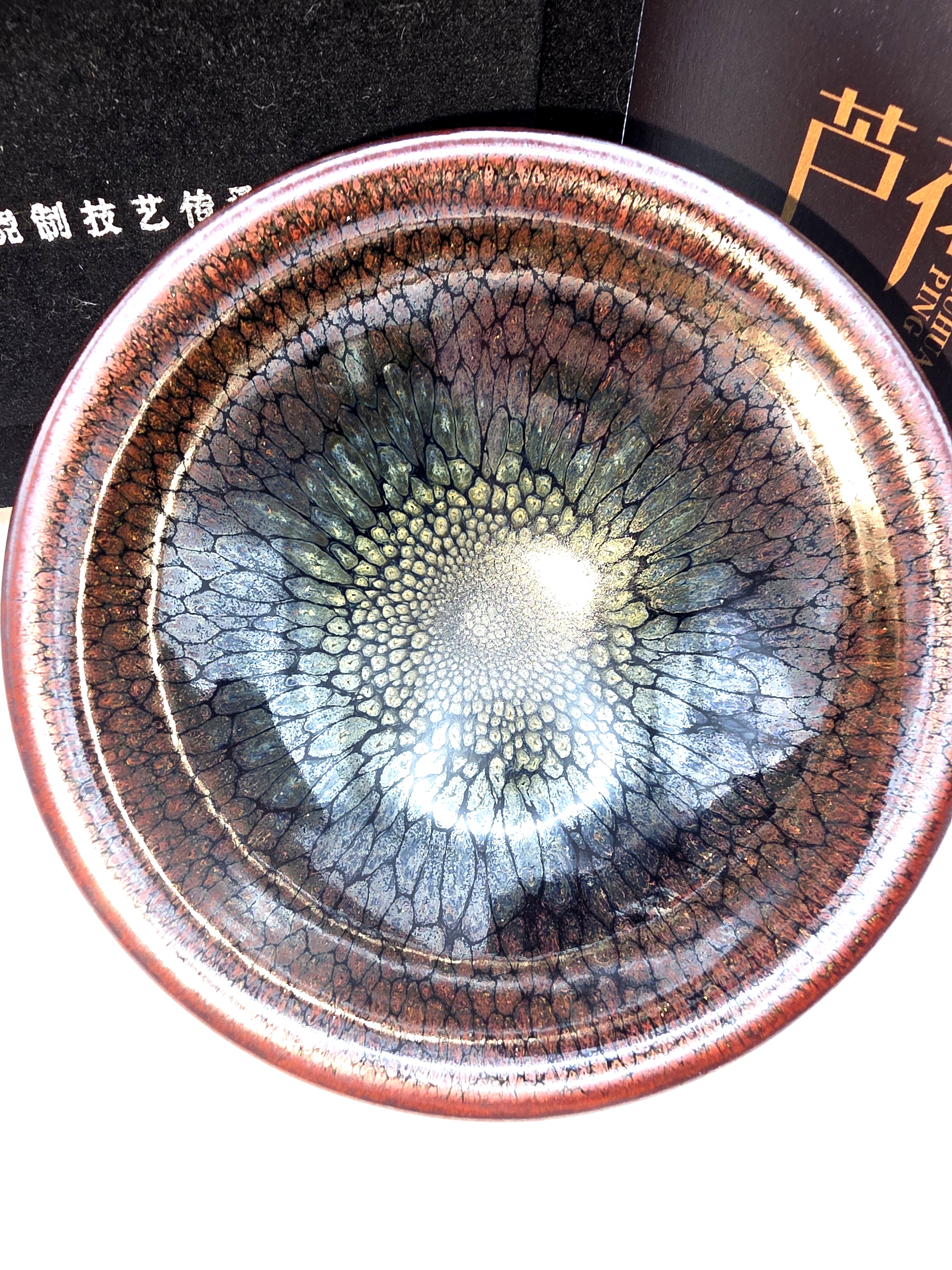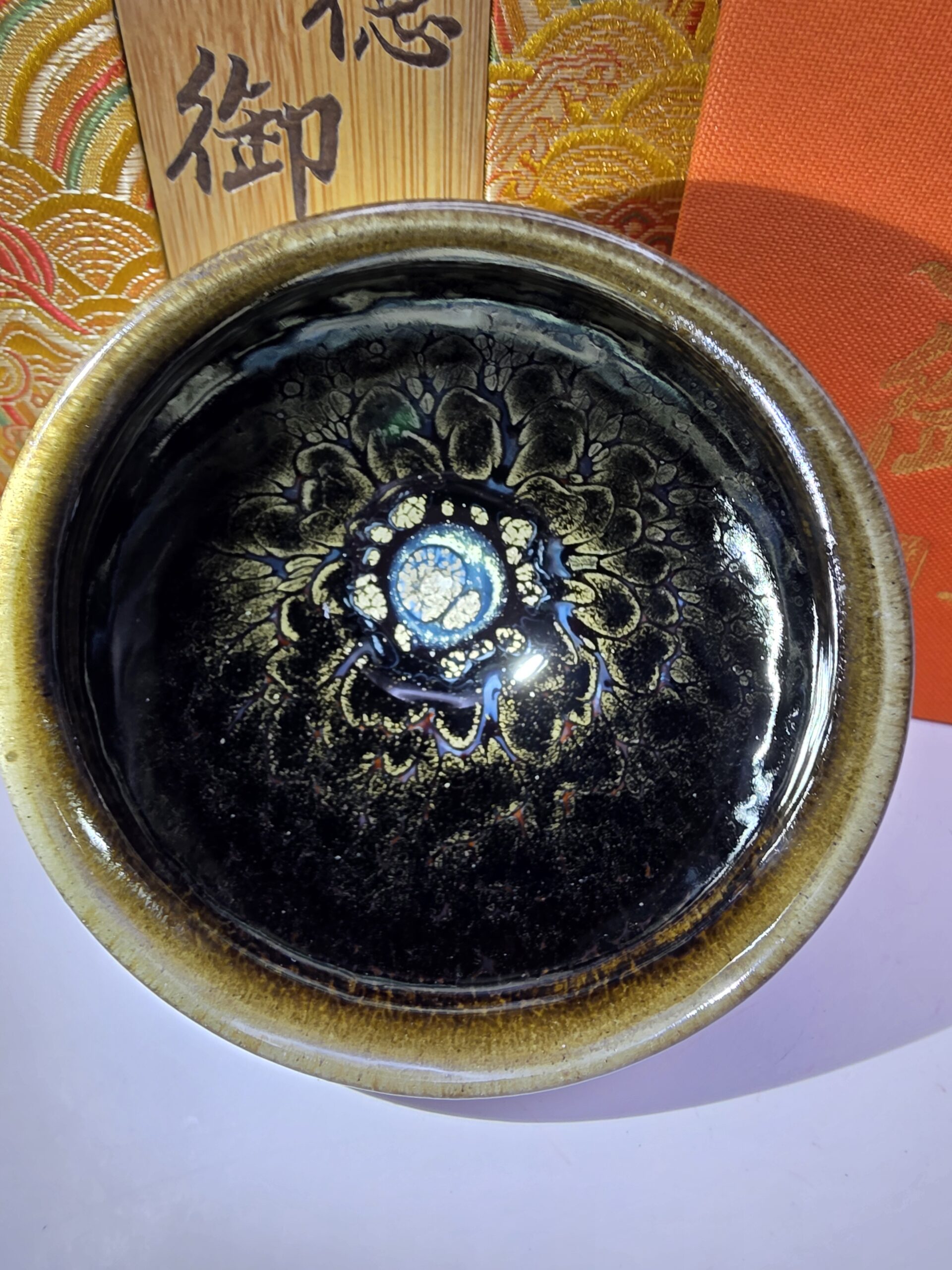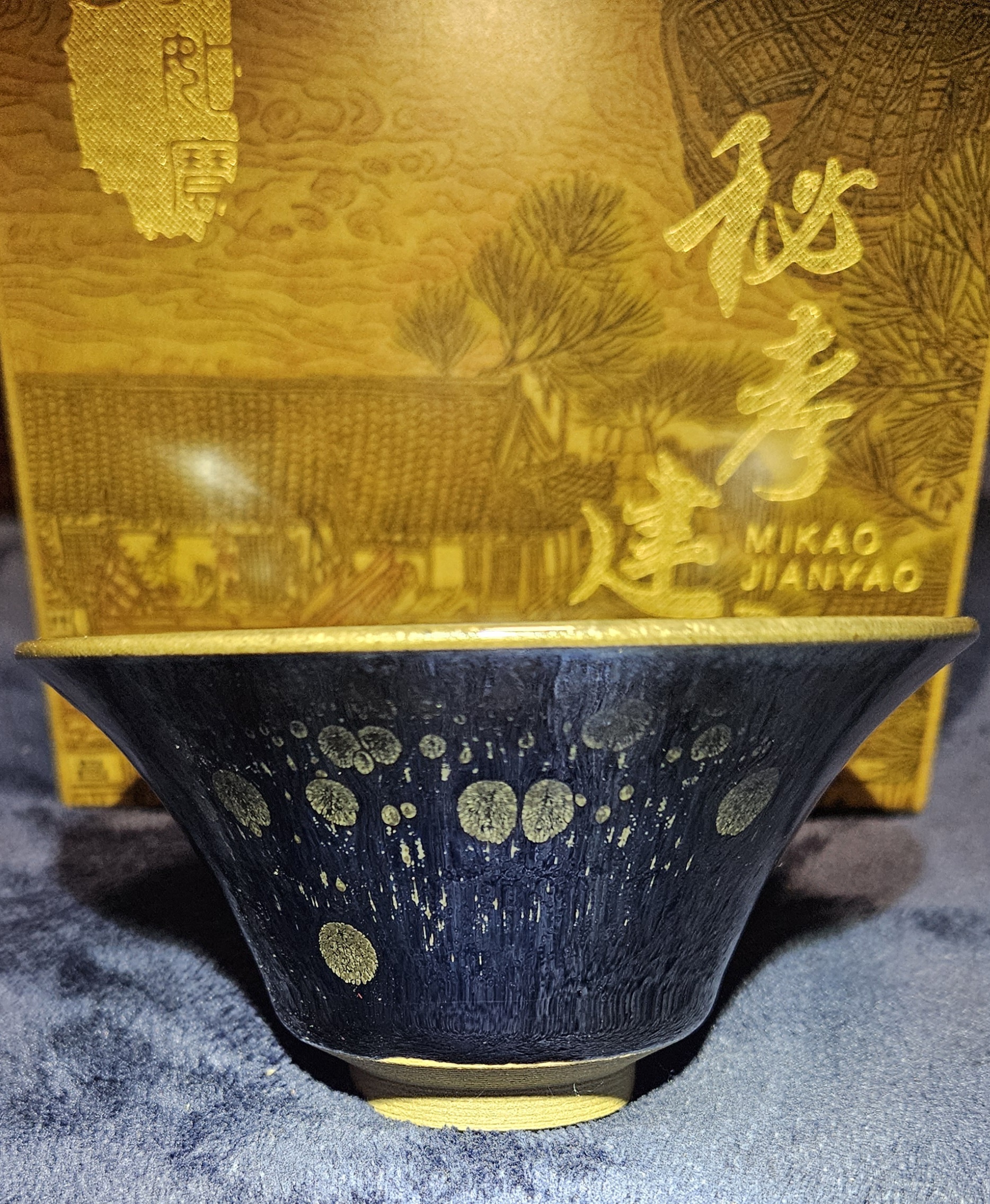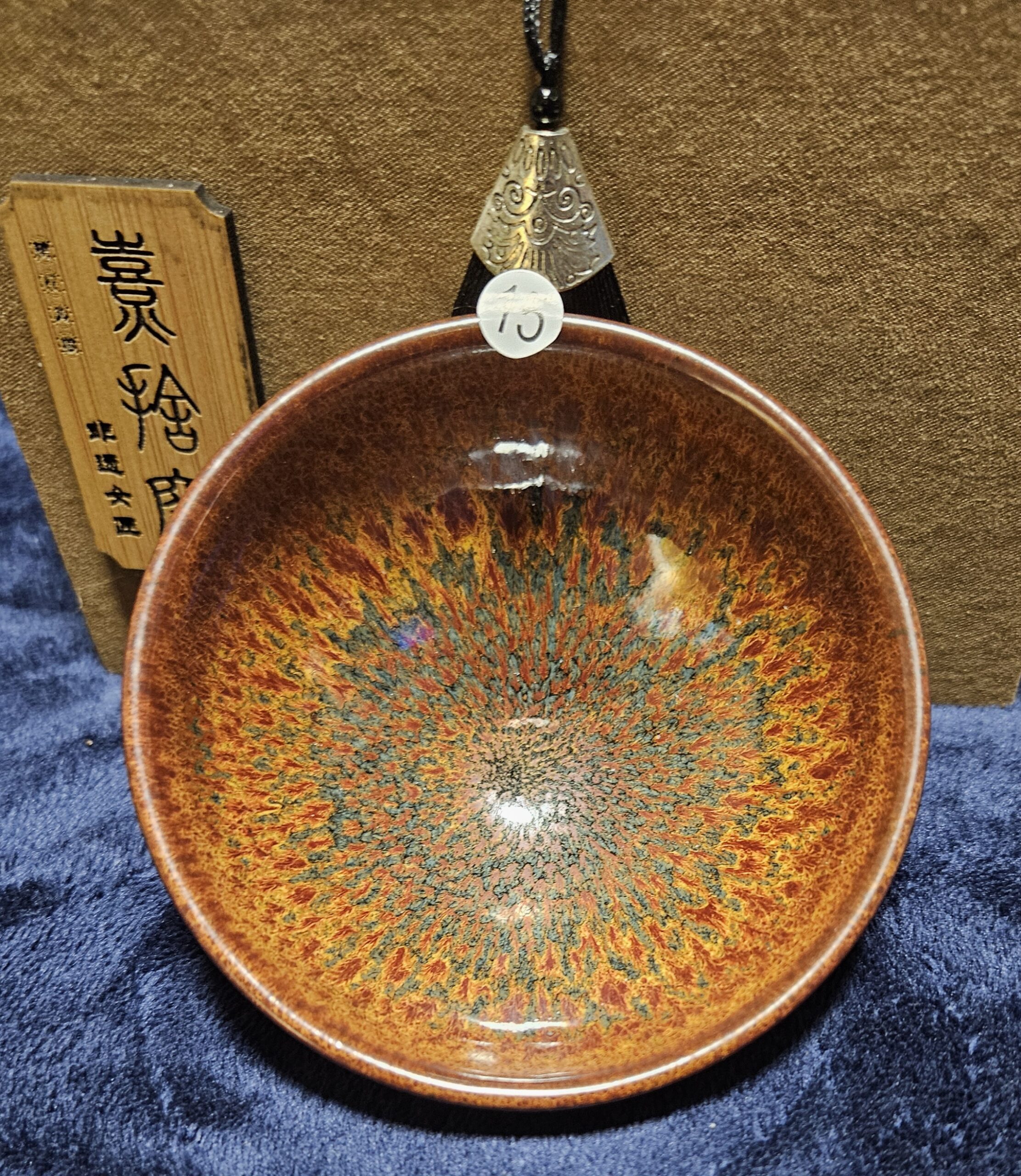
Partridge Feather Glaze in Jian Zhan (鹧鸪斑)
Partridge Feather glaze, called 鹧鸪斑 (Zhegu Ban) in Chinese, is one of the most historically important surface descriptions associated with black-glazed tea wares. In English, the name is usually translated as “partridge feather” or “partridge-feather mottling.”
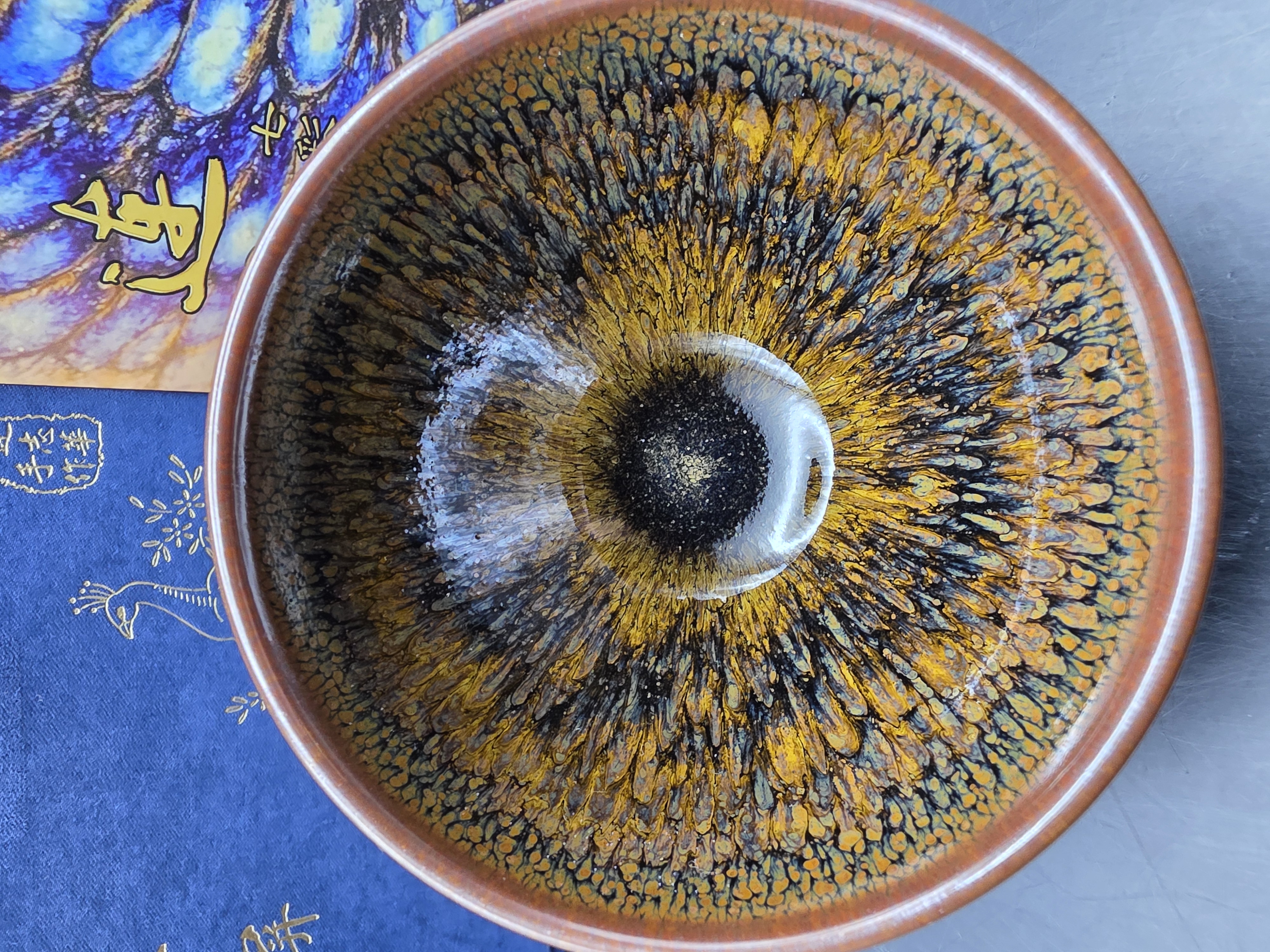
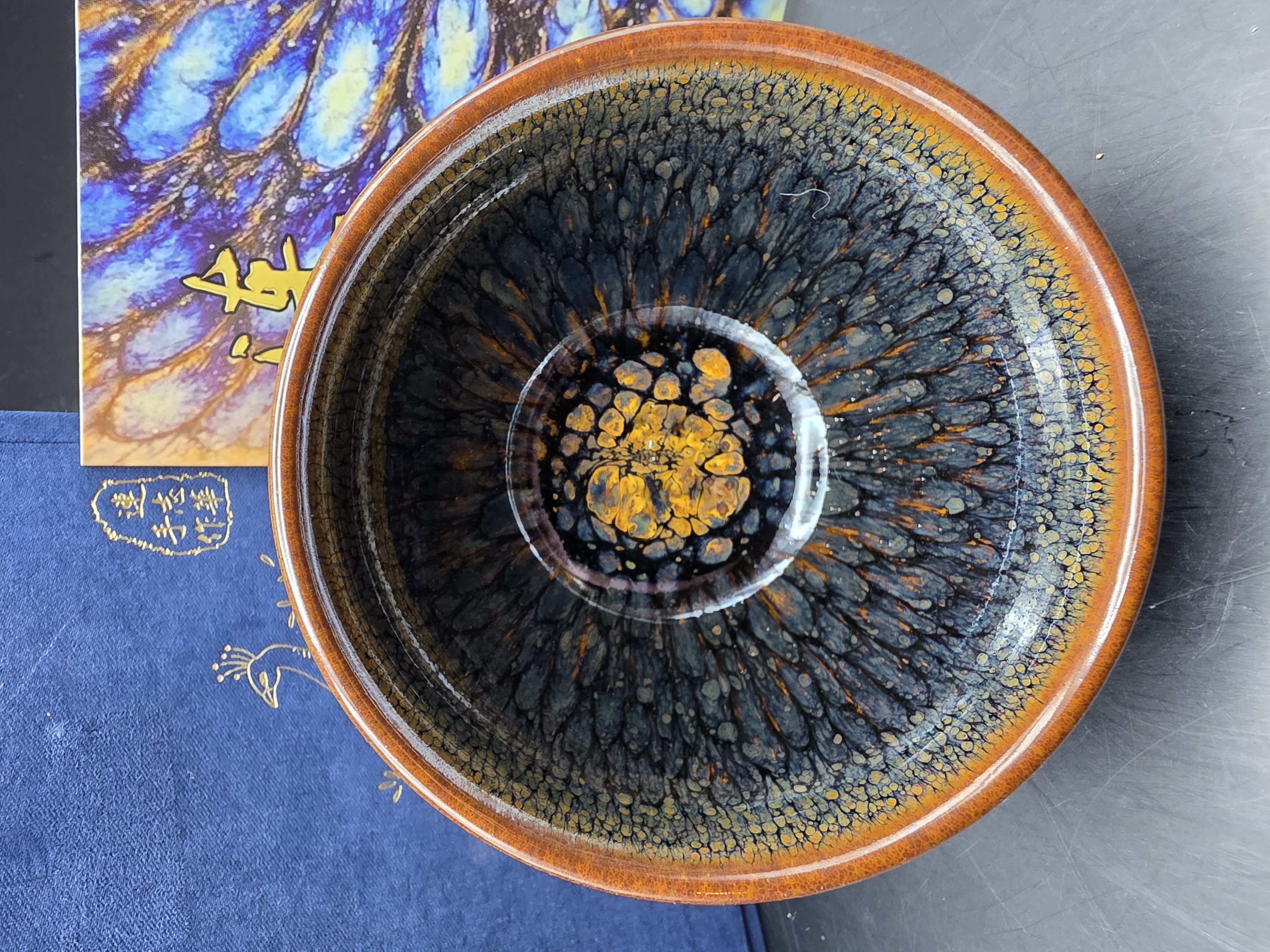
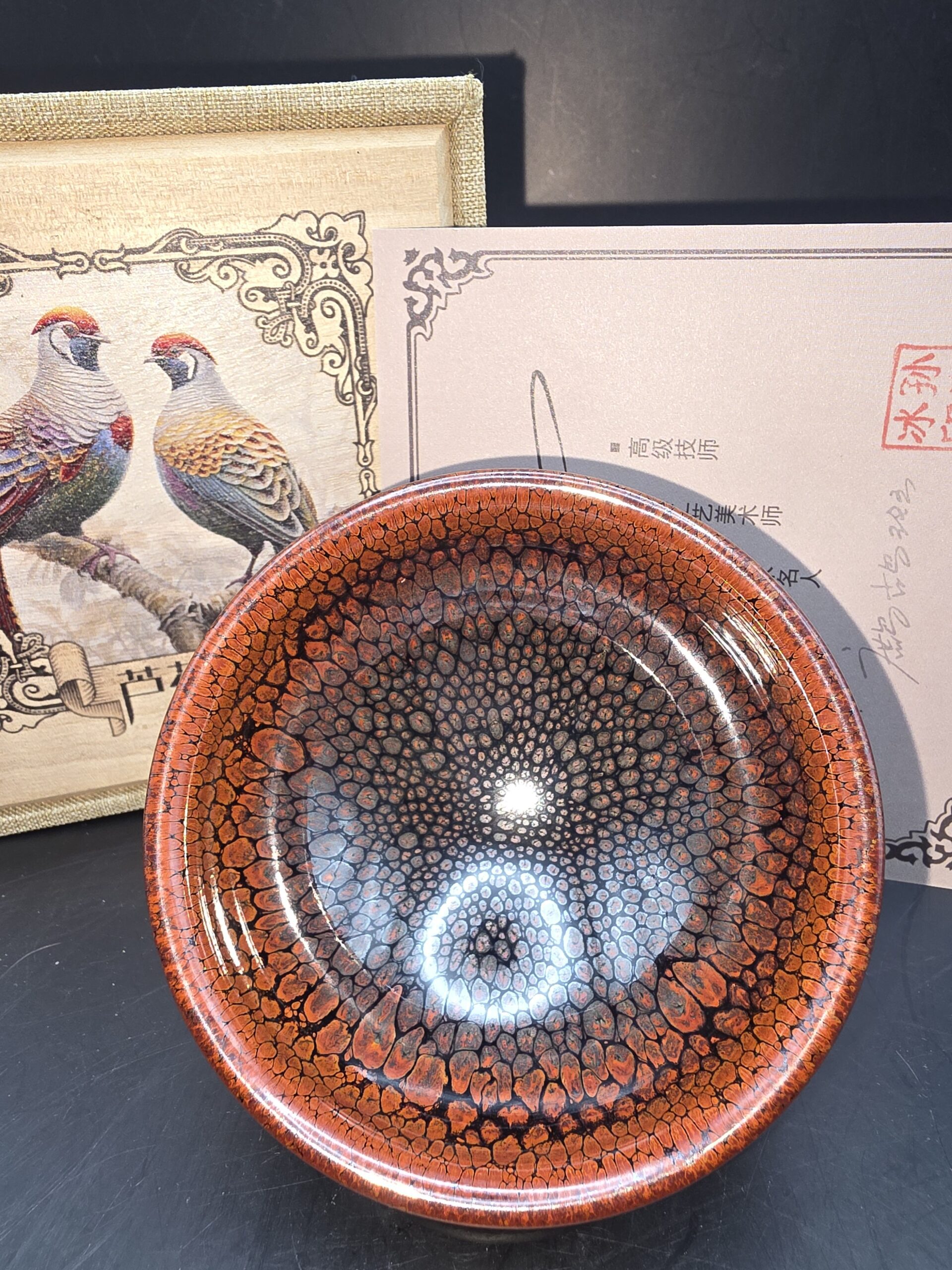
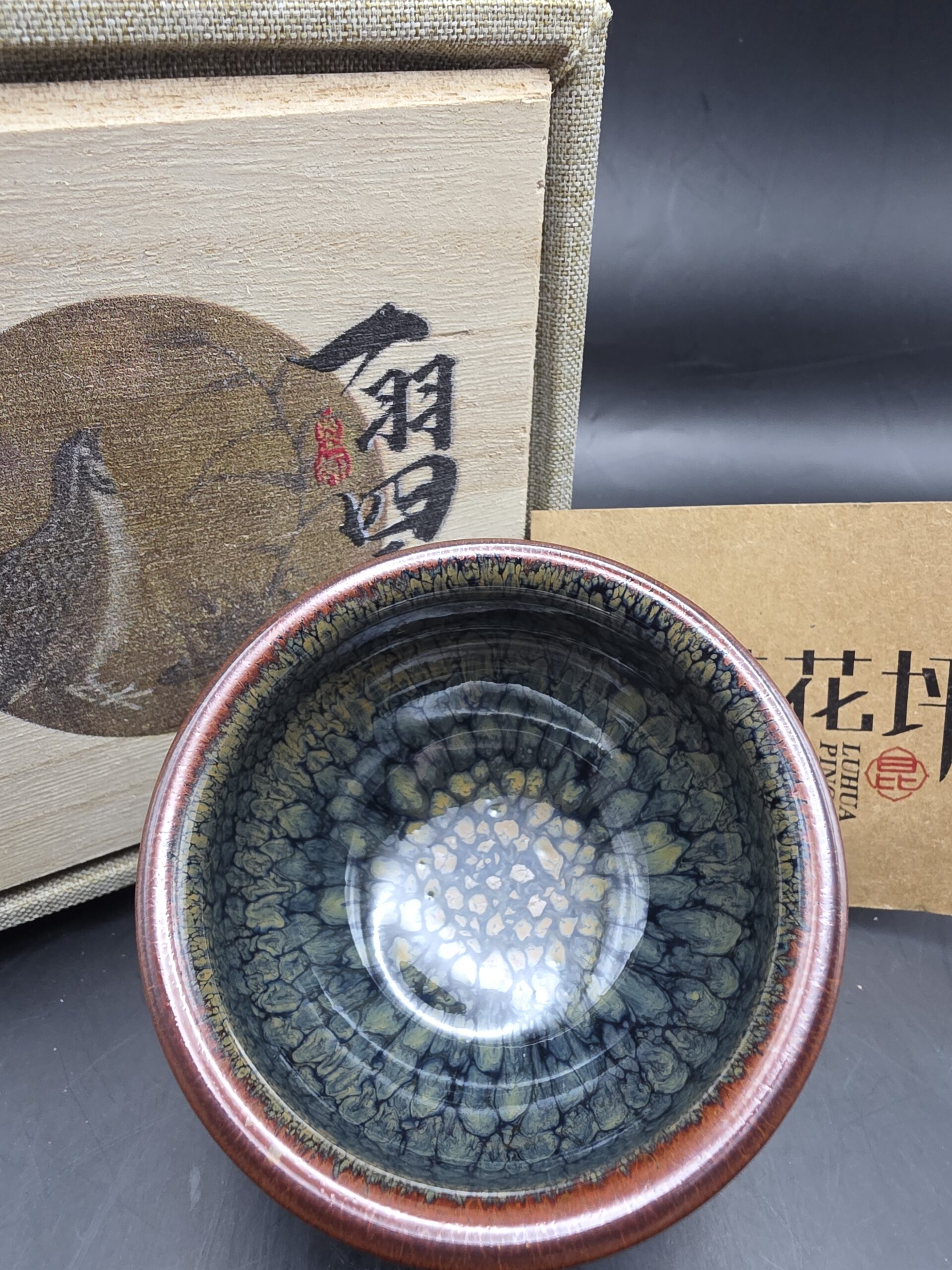
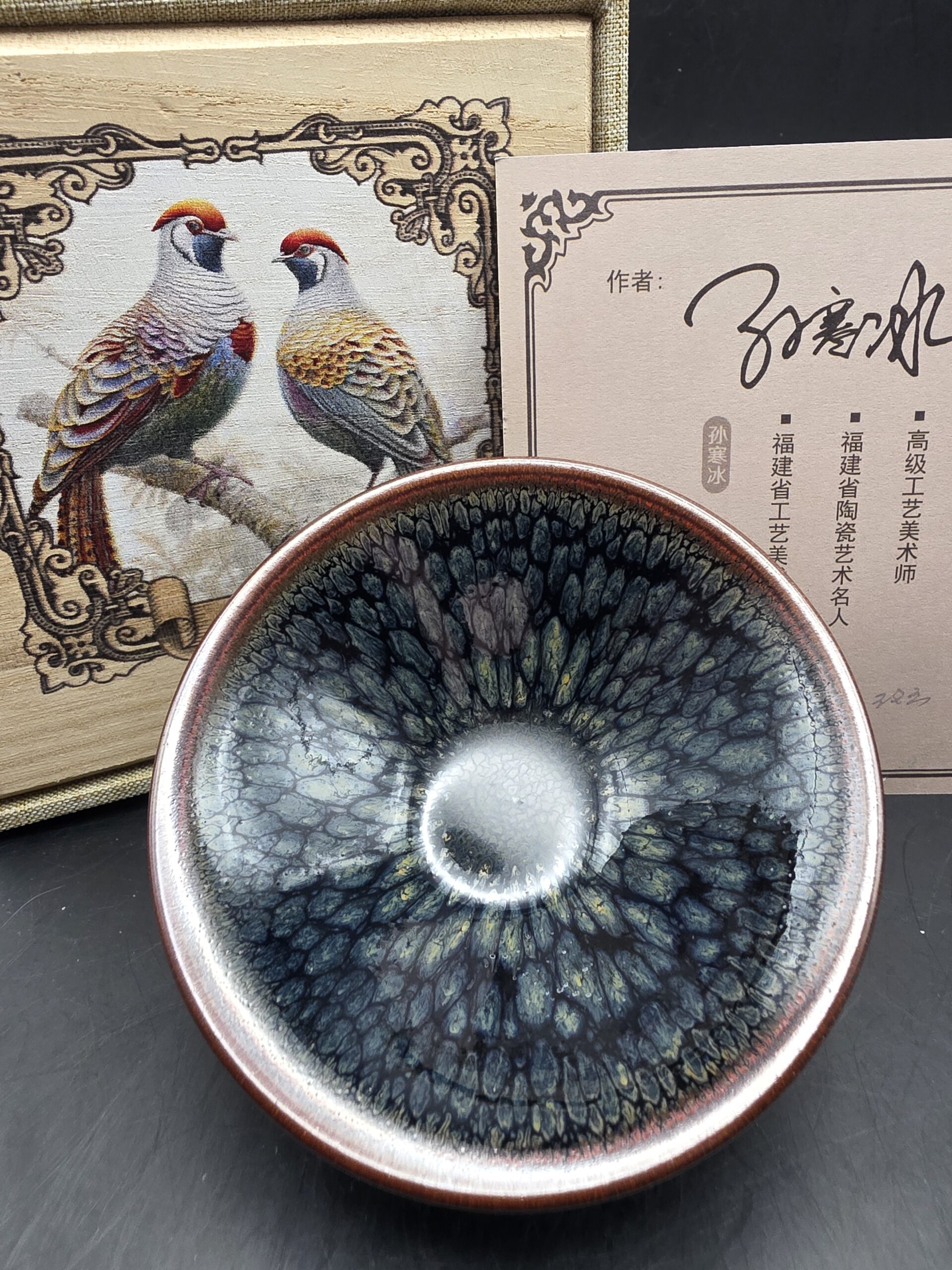
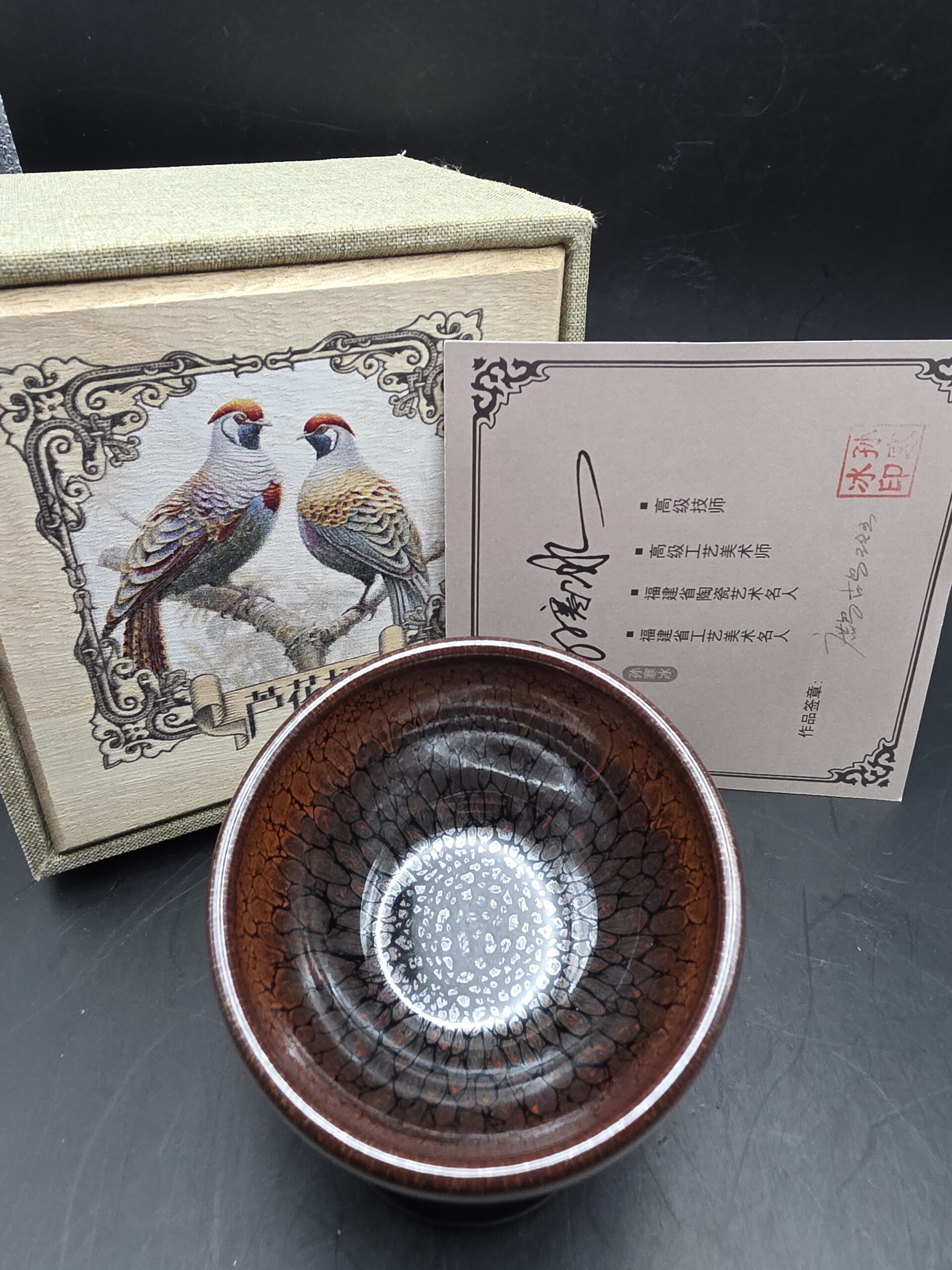
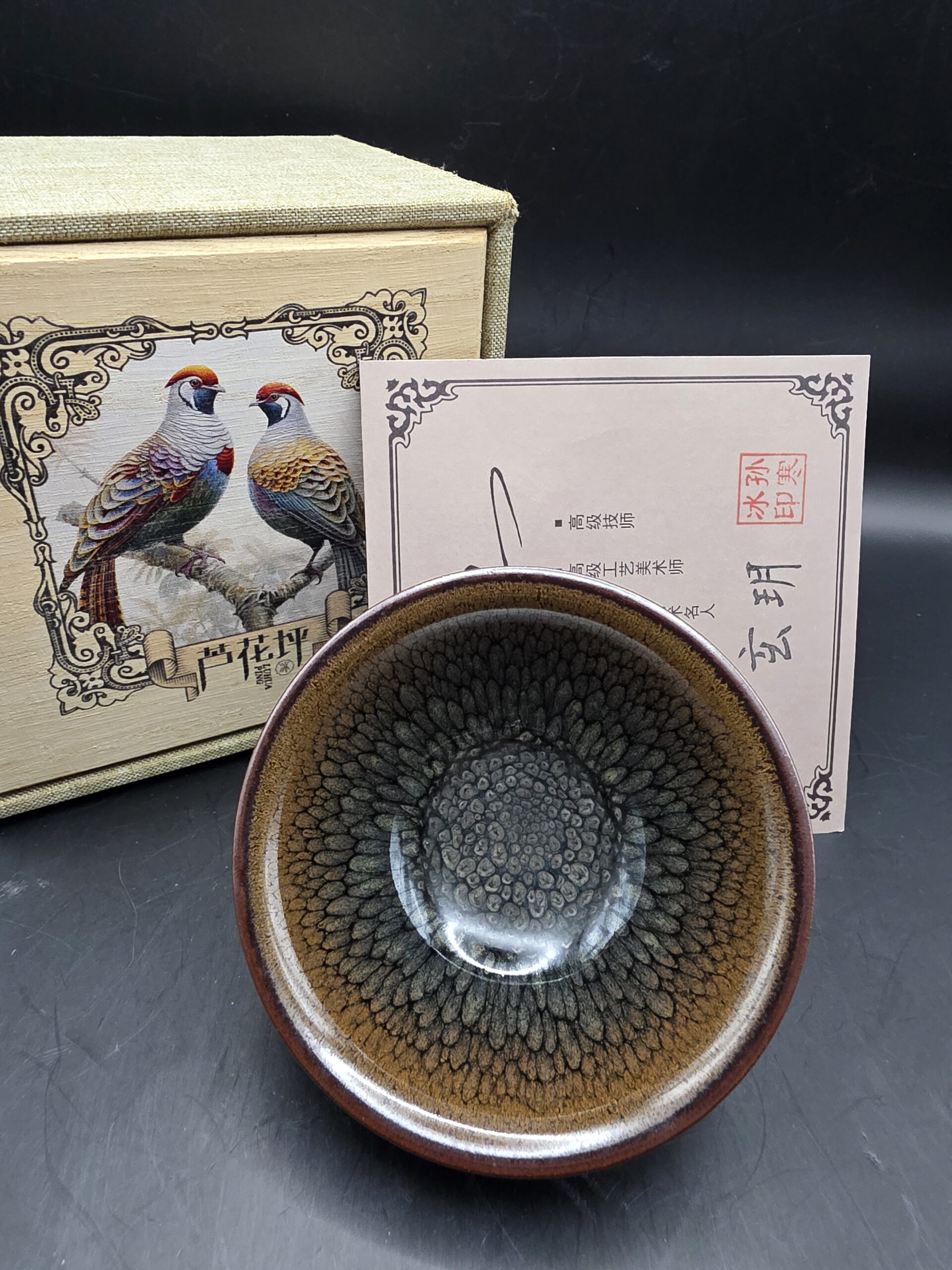
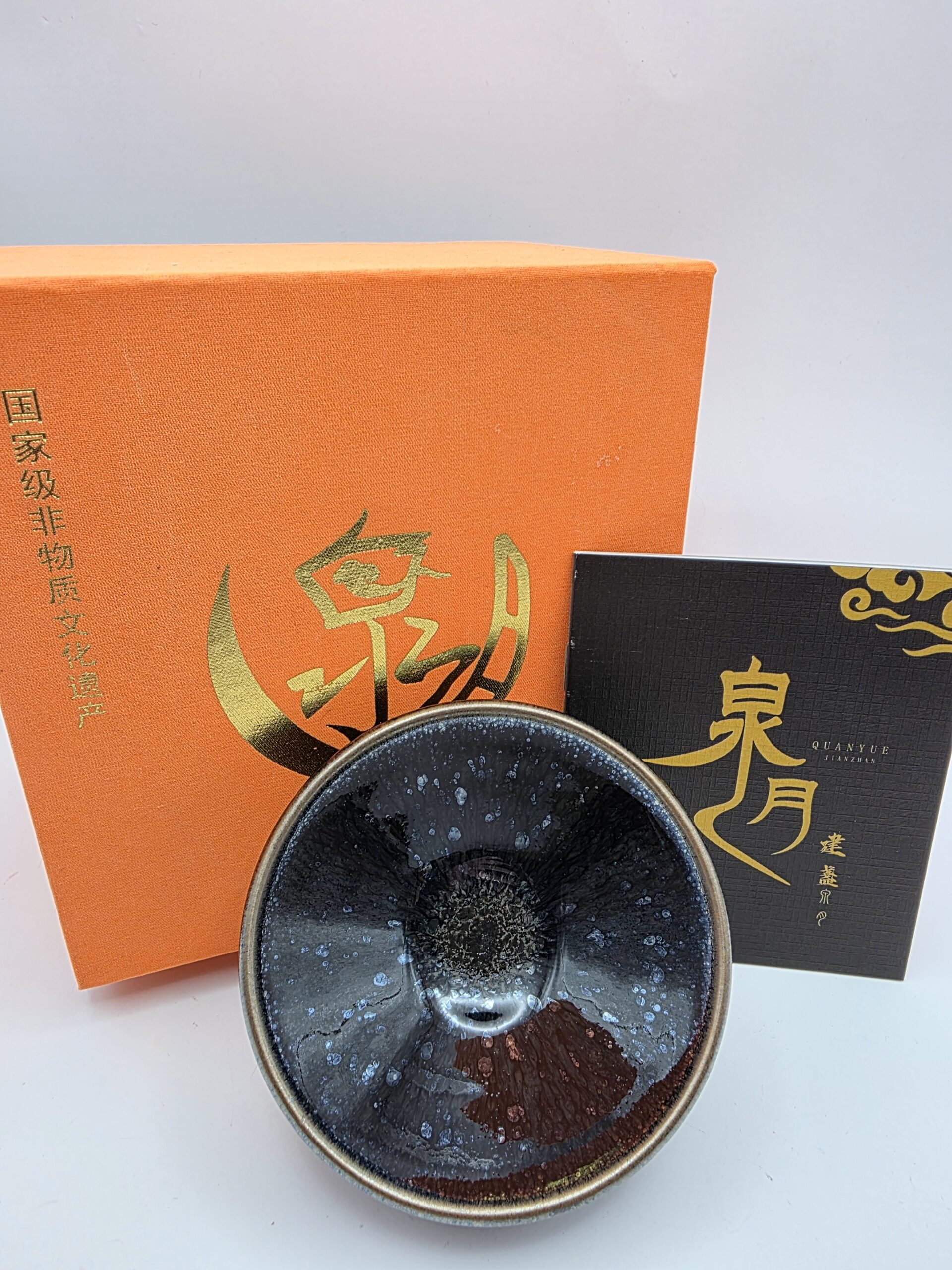
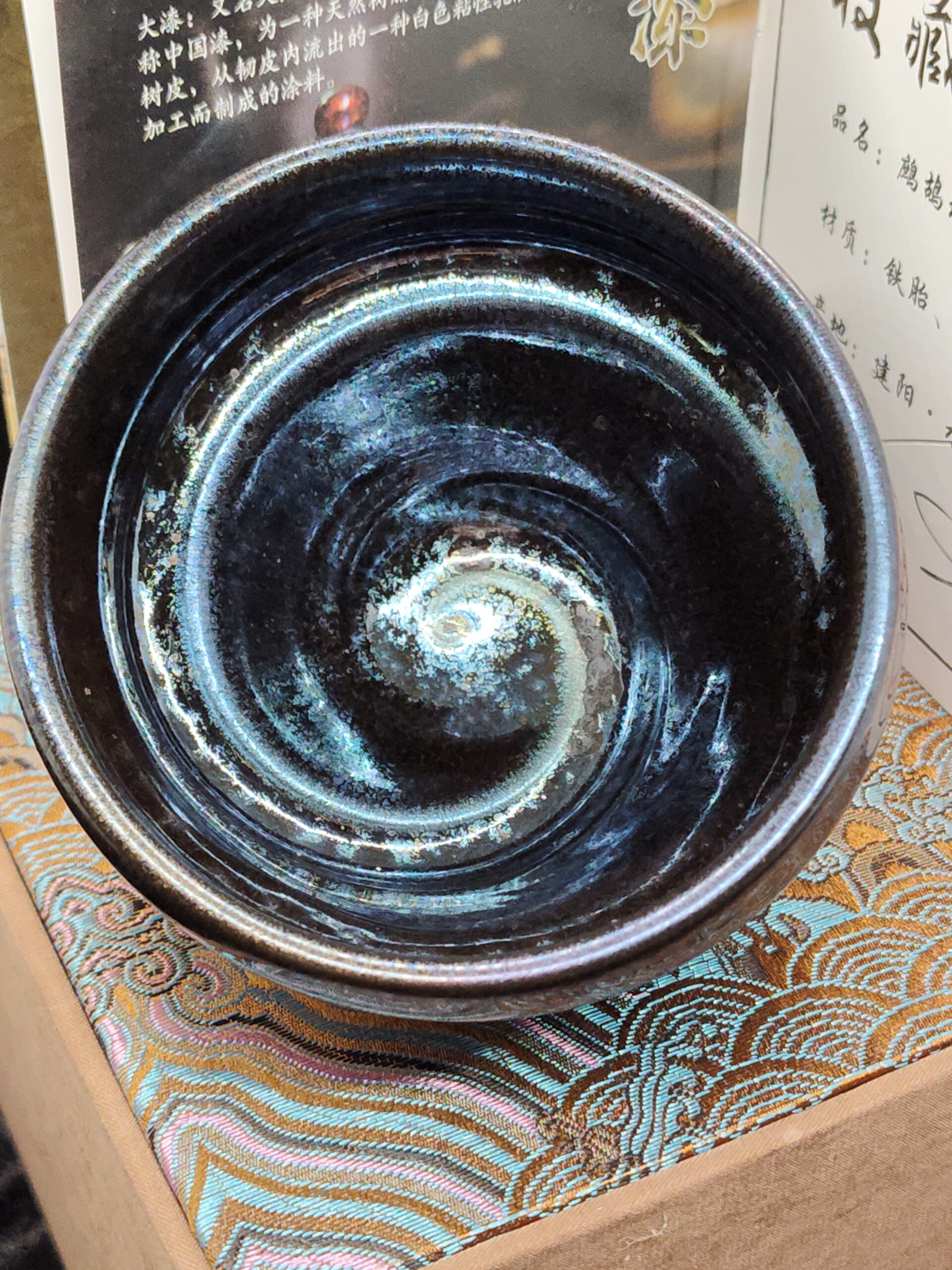
The term comes from the speckled appearance of a partridge’s feathers. In the context of Jian ware, it refers to a dark glaze surface marked by lighter mottled or speckled effects that can appear golden, brownish, silvery, or rust-toned depending on the firing and the glaze.
Today, many collectors think of partridge feather as a specific visual pattern within Jian Zhan. Historically, however, the term seems to have been used more broadly in classical texts to describe mottled dark-glazed wares, and scholars have noted that the old term does not always match the way modern sellers label pieces today.
Historical Importance
Partridge-feather bowls are mentioned in Song dynasty tea culture and literary writing. One of the most famous references appears in poetry by Huang Tingjian, where Jian’an bowls are described as having “partridge-feather speckles”. These literary references show that this type of surface effect was admired in the Song period and associated with elite tea culture.
Dark bowls were especially valued for whisked tea because the pale foam of the tea stood out clearly against a black or very dark glaze. This is one reason Jian ware became so highly prized.
What It Looks Like
In modern collecting language, partridge feather glaze usually refers to a dark glaze with many lighter mottled marks or speckles across the surface. Compared with other famous Jian patterns:
- Hare’s Fur (兔毫) usually shows elongated streaks.
- Oil Spot (油滴) usually shows more rounded spot-like crystallization.
- Partridge Feather (鹧鸪斑) is usually described as a finer mottled or speckled effect.
In practice, the boundaries are not always neat. Some bowls marketed today as partridge feather may look very close to oil spot, while historical usage of the term may have been wider than the narrow modern collector definition.
How the Effect Forms
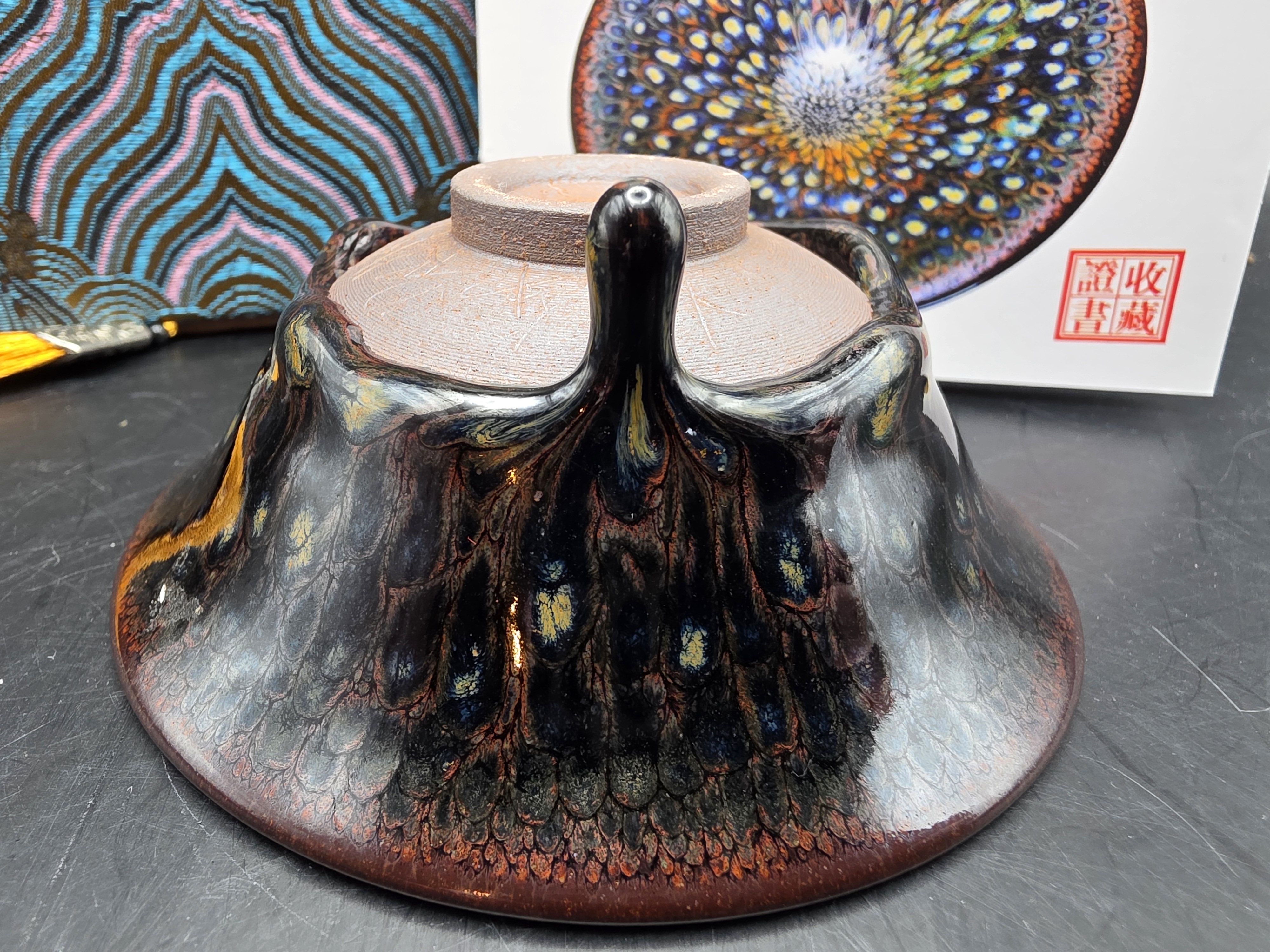
Like other classic Jian glaze effects, partridge-feather surfaces are related to iron-rich glazes fired at high temperature. During firing, the glaze melts and the iron-bearing materials separate and crystallize as the piece cools.
The final appearance depends on several factors working together:
- the iron content of the glaze
- the clay body under the glaze
- firing temperature
- kiln atmosphere
- cooling speed
- glaze thickness
Because all of these variables interact, the same general recipe can still produce different results from one kiln, master, or firing to another.
Why It Matters to Collectors
For collectors, partridge feather glaze is important for two reasons. First, it connects directly to Song dynasty tea writing and the historical prestige of Jian ware. Second, it shows how difficult it is to apply modern labels too rigidly to traditional glazes.
A bowl may be called hare’s fur, oil spot, or partridge feather depending on the seller, the collector community, or the visual emphasis. That does not always mean the labels are wrong, but it does mean the terminology can shift.
For this reason, many experienced collectors look closely at the actual surface structure rather than relying only on the title used in a listing.
A Helpful Note for Modern Collectors
When you see 鹧鸪斑 used in modern sales, it is worth asking what the seller means by it. Some use it for fine mottling. Others use it for oil-spot-like surfaces with a softer, more scattered appearance. Historical scholarship also suggests that the original term may have covered a broader family of mottled black wares, not only one narrow modern category.
In other words, partridge feather is both a glaze description and a historical aesthetic idea.
References
1. Jian Ware overview:
https://en.wikipedia.org/wiki/Jian_ware
2. Christie’s essay discussing Song references to Jian bowls with partridge-feather speckles, including Huang Tingjian:
https://www.christies.com/zh-cn/lot/lot-6019217
3. Christie’s Jian tea bowl essay with translated literary references to partridge-feather speckles:
https://www.christies.com/lot/lot-a-rare-yuteki-tenmoku-oil-spot-jian-6096778/
4. J.J. Lally catalogue citing Robert D. Mowry on the ancient term zhegu ban and its historical use for partridge-feather mottling:
https://www.jjlally.com/uploads/catalogues/12/jj_lally_2013_catalogue.pdf
5. Harvard Art Museums Jian ware object record:
https://harvardartmuseums.org/art/200949