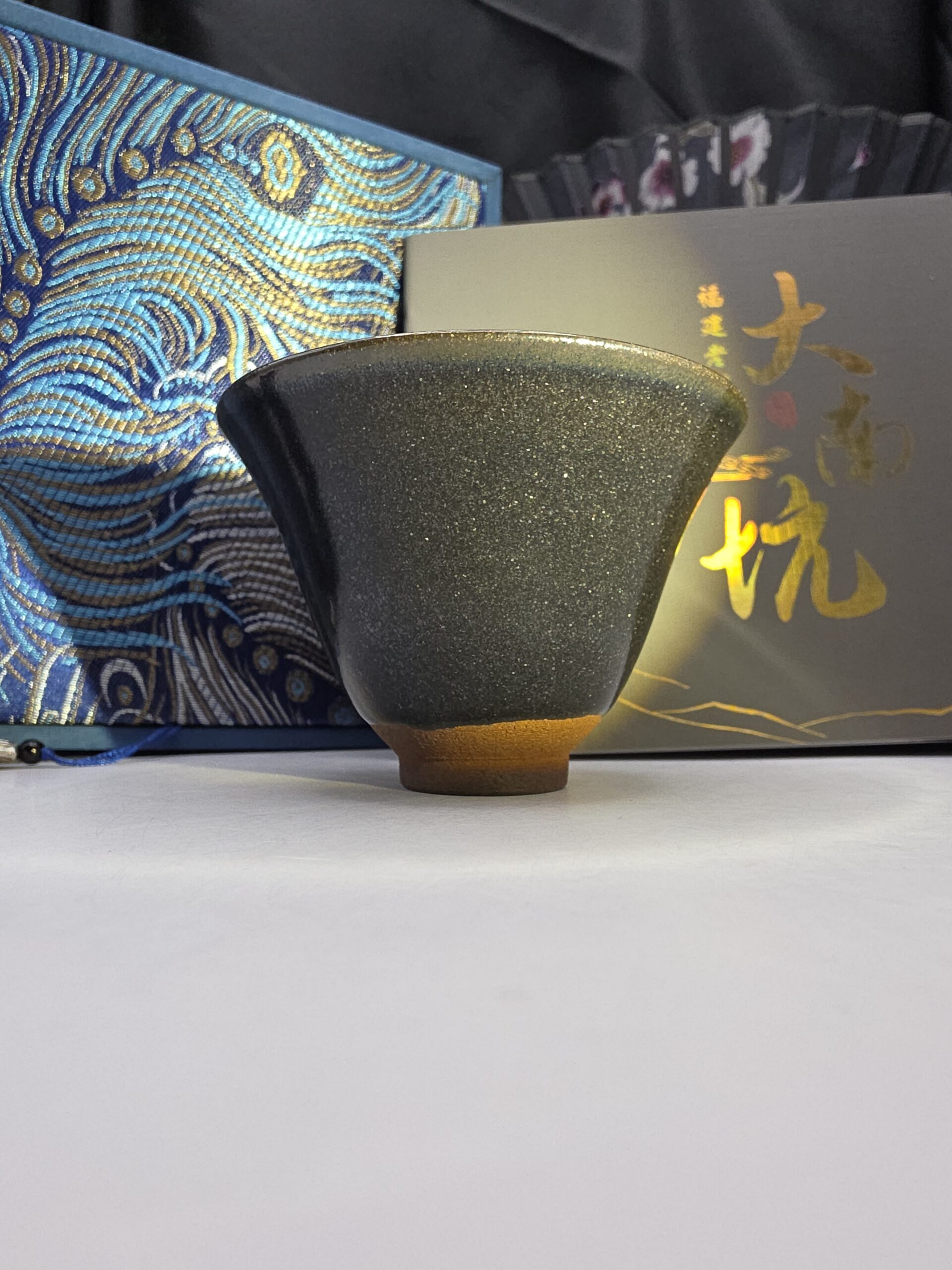
Lai Jianqiang (赖建强)
also known informally as “Master Butthole”
Lai Jianqiang (赖建强) is a ceramic artist associated with the Da Nankeng kiln (大南坑窑) tradition in Jiangle County, Fujian Province. He is recognized as part of the 11th generation of inheritors within this multi-generational ceramic lineage.
Background & Lineage
The Da Nankeng kiln tradition represents a regional ceramic lineage in Fujian with a long history of continuous production and generational transmission. Lai Jianqiang belongs to the current working generation responsible for carrying forward this tradition.
9th Generation: Chen Zhenyun (陈振云)
10th Generation: Mao Xingbao (毛行宝)
11th Generation: Lai Jianqiang (赖建强)
Da Nankeng Kiln Tradition
The Da Nankeng kiln is located in Jiangle County, Fujian Province and represents an active traditional kiln site. The tradition includes the use of dragon kiln (龙窑) firing, a wood-firing method that produces natural variation in glaze and surface through flame and ash interaction.
Reference:
Dragon Kiln – Wikipedia
Firing & Technique
Dragon kiln firing allows for dynamic interaction between heat, ash, and atmosphere. Pieces produced within this system often display:
– Natural surface variation
– Interaction between ash and glaze
– Organic and sometimes unpredictable firing effects
These characteristics distinguish the work from more controlled electric kiln production.
Artistic Characteristics
Works associated with Lai Jianqiang and the Da Nankeng kiln may include:
– Dark or iron-rich glaze tones
– Crystalline or oil-spot-like surface effects
– Subtle variation influenced by kiln conditions
– Hand-finished forms with visible craftsmanship
As a newer generation inheritor, his work reflects both traditional kiln methods and contemporary interpretation.
Seal & Mark Identification
Pieces attributed to Lai Jianqiang may feature a hand-carved, abstract seal on the base. Unlike the clearly legible square seals often seen in Jian ware, these marks are typically freeform and highly stylized.
Such seals function as personal or studio identifiers rather than readable name stamps, and may not clearly display the characters “赖建强.”
Identification is therefore based on a combination of:
– Lineage documentation
– Accompanying materials or certificates
– Kiln characteristics and clay body
– Known mark style associated with the artist
Relationship to Jianzhan
Some Da Nankeng pieces may visually resemble Jianzhan (建盏) due to dark glazes or crystalline effects. However, they belong to a separate kiln lineage.
Jianzhan refers specifically to ceramics produced within the Jian kiln tradition in Jianyang, using high-iron clay and glaze-driven firing techniques.
References:
Jian Ware – Wikipedia
Met Museum – Jian Ware
Significance
Lai Jianqiang represents the continuation of a living ceramic lineage within Fujian. While less publicly documented than senior generations, artists of his generation play a critical role in preserving and evolving traditional kiln practices.
His work reflects the ongoing transmission of knowledge, material skill, and firing technique within the Da Nankeng tradition.
Collector Notes
Pieces attributed to Lai Jianqiang should be understood within the context of the Da Nankeng kiln tradition rather than classified as Jianzhan. While visual similarities may exist, differences in clay composition, firing method, and lineage remain important for accurate identification.
Marks associated with this tradition may not always be readable and should be interpreted alongside provenance and kiln characteristics.