The Tea Behind the Name: History and Legend
Historically
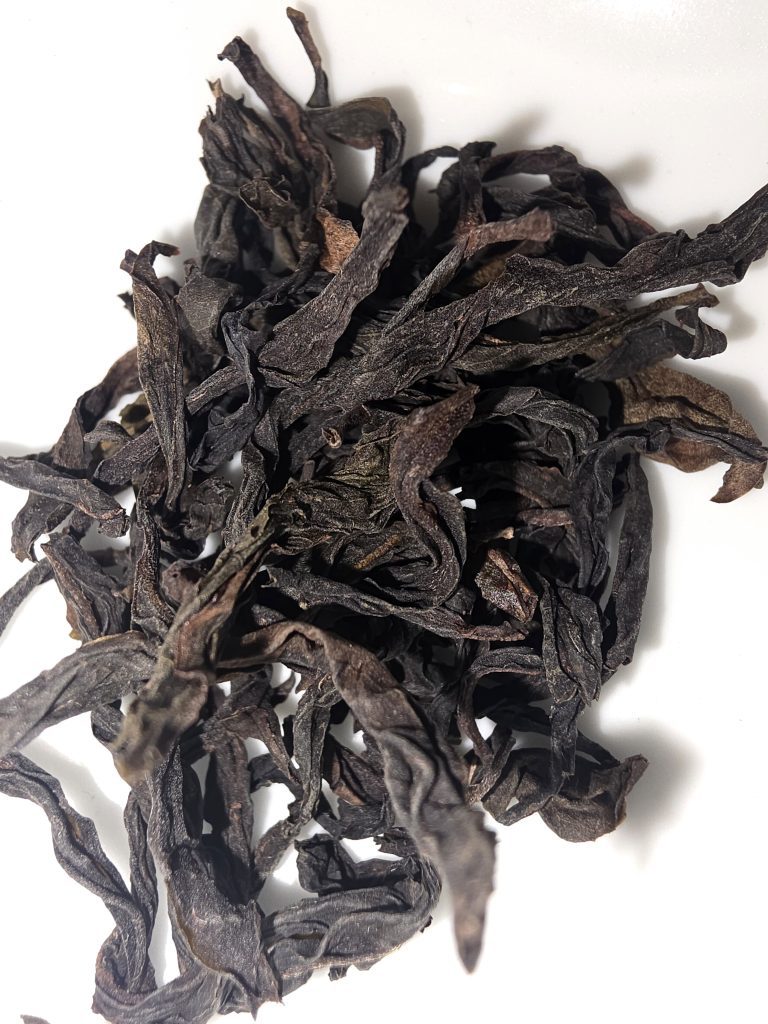
The tea known as “duck shit fragrance” (Ya Shi Xiang, 鸭屎香) comes from the Phoenix Mountains in Guangdong, China, where Dancong oolong teas are cultivated. These teas are often named for their aroma, environment, or local storytelling traditions.
In this case, the name likely originated as a form of deliberate misdirection. Farmers in the region closely guarded prized tea cultivars, as unique plants could be propagated by others and reduce their competitive advantage.
To protect a particularly fragrant and valuable tea bush, a grower is believed to have given it an intentionally unappealing name. By calling it something crude, he discouraged curiosity, imitation, and theft.
Over time, despite the name, the tea’s exceptional quality became known. Rather than being replaced, the name endured and became part of its identity.
The story probably went like this
Mist curled over the slopes of the Phoenix Mountains, where tea bushes clung to the earth as if they knew they were growing something worth guarding.
The farmer had known it too.
He noticed it first in the scent. Not during harvest, not in the leaves themselves, but in the steam rising from his cup one quiet morning. While other teas spoke in simple notes, this one sang. Orchid. Honey. Something bright and lingering that refused to be forgotten.
He set the cup down and frowned.
In a place where every hillside held watchful eyes, excellence was dangerous.
Good tea did not stay secret for long. A neighbor might wander by, casual as a drifting cloud, and ask a few questions. A trader might return with too much interest. A cutting could vanish. And once it spread, the magic would no longer belong to him.
So he did something strange.
When asked about his tea, he shrugged and gave it a name that wrinkled noses:
“Duck shit fragrance.”
He said it plainly. No smile. No hint of a joke.
People recoiled just enough. Traders hesitated. Other farmers lost interest before curiosity could bloom. The name sat there like a muddy puddle, discouraging anyone from stepping closer.
And behind that name, the tea remained his.
For a while, the disguise worked perfectly. The bushes grew undisturbed. The harvests continued. The cups kept blooming with that impossible sweetness.
But good things have a way of escaping their cages.
Someone tasted it.
Maybe it was a persistent buyer. Maybe a friend. Maybe someone who ignored the name and trusted their nose instead. However it happened, the truth slipped out like sunlight through leaves.
“This,” they said, holding the cup, “is extraordinary.”
Word spread, not fast, but steadily. The kind of spread that cannot be stopped once it begins. People came, curious now for a different reason. They tasted. They nodded. They remembered.
And the name?
It stayed.
By then it had rooted itself into the story, inseparable from the tea it once protected. The insult had become a signature. The disguise had become legend.
So today, when someone lifts a cup of “duck shit tea”, they are not tasting anything crude at all.
They are tasting a secret that tried, for a brief and clever moment, to hide in plain sight.