
Craftsman Tian Xi
Tian Xi is a new-generation craftsman known for his work in traditional dragon kiln wood-firing. Based in Fujian, he focuses on the creation of Jianzhan tea bowls and other ceramic pieces shaped by the character of flame, ash, and kiln atmosphere. His work has drawn attention for its strong wood-fired presence, natural variation, and distinctive kiln effects.
Working within the tradition of dragon kiln firing, Tian Xi embraces the unpredictable beauty that comes from fire and clay. Each piece reflects the interaction between material, temperature, airflow, and ash, giving his ceramics a lively and individual character.
Dragon Kiln Wood-Firing
Dragon kiln wood-firing is a traditional firing method that relies on wood as fuel, often including firewood and pine branches. The kiln uses natural ventilation and the upward movement of flame to create a strong draft. Heat travels mainly parallel to the kiln floor, allowing for rapid temperature rise and cooling while producing complex surface effects that are difficult to replicate in other firing methods.
This process is known for its demanding control and natural unpredictability. Even slight changes in temperature, placement, flame path, and ash distribution can affect the final result. Pieces fired under different conditions may develop different textures, colors, and patterns, making every work unique.
This is part of the enduring appeal of dragon kiln ceramics: the transformation inside the kiln cannot be fully controlled by hand. In traditional terms, this is often described as “one color into the kiln, ten thousand colors out of it”, expressing the remarkable range of effects that can emerge from the firing process.
Artistic Features
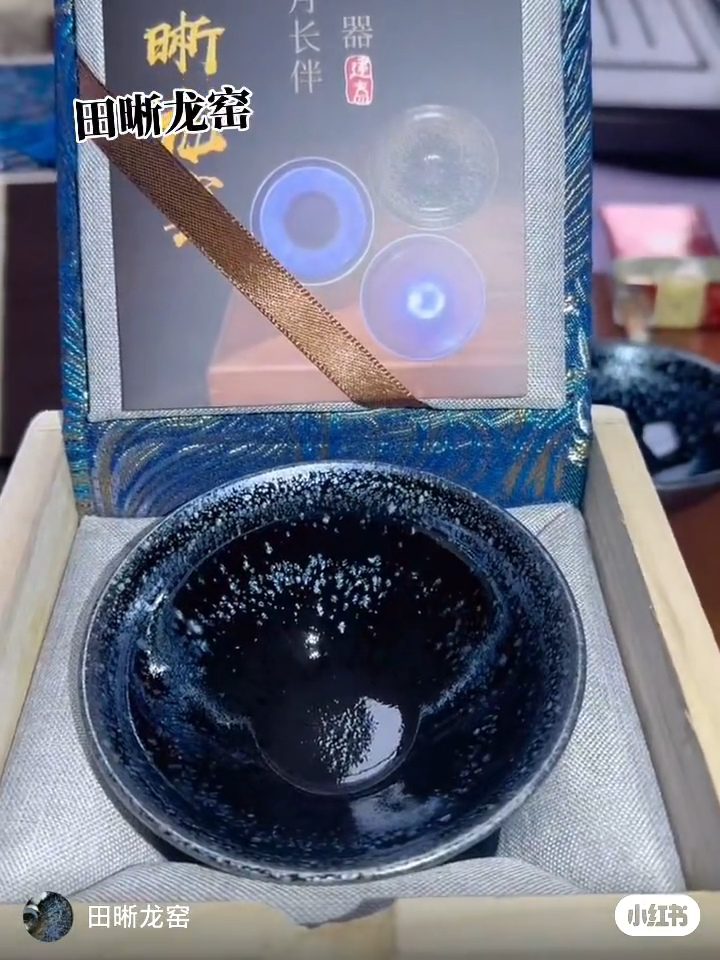
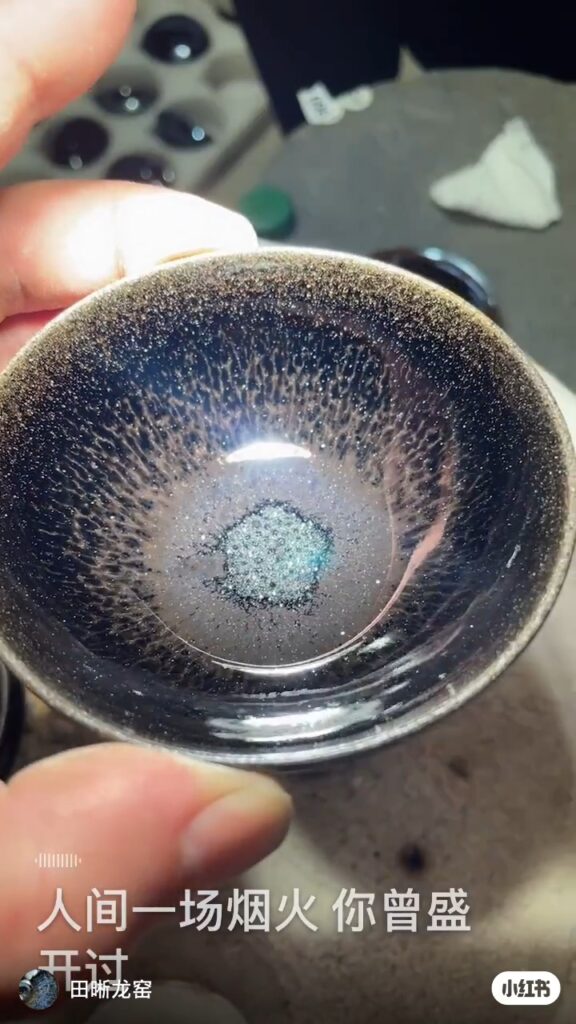
Tian Xi’s work reflects the qualities collectors often value in dragon kiln Jianzhan: natural variation, depth of glaze, vivid surface activity, and the marks of true wood-firing. Some pieces show dramatic texture and movement, while others reveal softer, more subtle transitions created by the kiln atmosphere.
Because of this, no two bowls are exactly alike. Each firing becomes a collaboration between the maker, the clay, and the kiln itself.
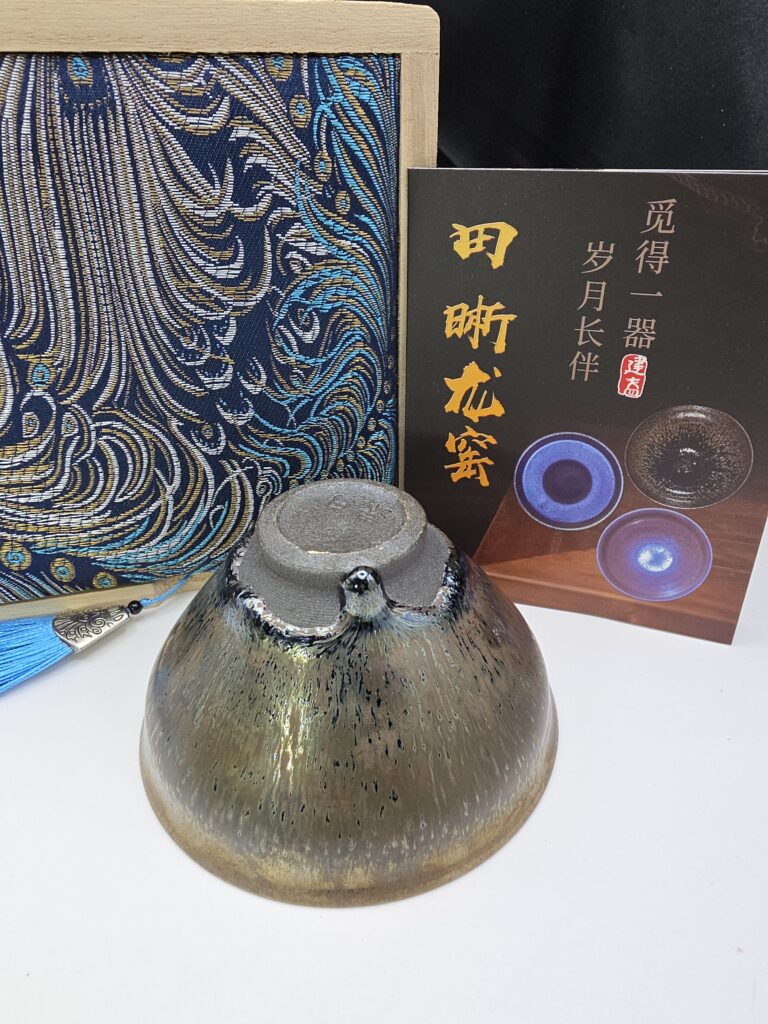
Follow him on rednote



Why Dragon Kiln Wood-Fired Pieces Are Expensive
Dragon kiln wood-firing requires significant resources, time, and skill. Several key factors contribute to the higher cost of authentic wood-fired Jian ware.
- High fuel consumption
A single firing may require approximately 7–10 tons of pine wood and can burn continuously for many hours or even days. The firing process requires constant supervision, with craftsmen working in rotating shifts to maintain the kiln. - Low success rate
The finished yield can be extremely low, often around 10–30%. High-quality pieces are even rarer, meaning the cost of unsuccessful pieces is absorbed into the surviving works. - Labor and craftsmanship
Traditional dragon kilns require experienced craftsmen, careful kiln management, and ongoing maintenance. The process demands both technical skill and long experience. - Limited production
Dragon kiln firing is subject to regulation and approval, and the number of firings is limited. Because of the small production volume and strong collector interest, these works are often highly valued.
How to Identify Authentic Dragon Kiln Wood-Fired Pieces
- Pieces advertised as “dragon kiln wood-fired” for under about 200 RMB are often electric-kiln imitations.
- Look for natural ash deposits, fire marks, and kiln transformation effects created during wood firing.
- Understand the kiln or craftsman producing the work to avoid misleading promotions or false claims.
Traditional dragon kiln ceramics are often described with the phrase: “One color enters the kiln, ten thousand colors emerge.” This reflects the remarkable transformations that occur inside the kiln during firing.